
Canada bars entry to foreign nationals with recent travel to the DR Congo
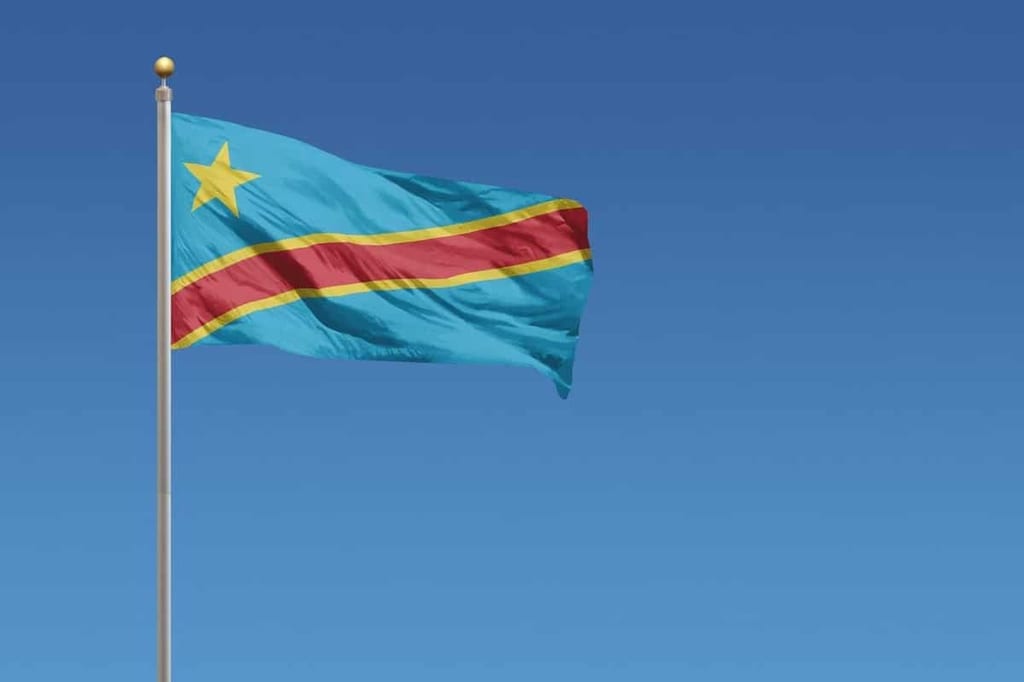
Canada has barred entry to foreign nationals who have recently traveled to the Democratic Republic of the Congo, effective 11:59 p.m. on July 20, 2026. The Public Health Agency of Canada announced the entry ban in response to the ongoing Ebola outbreak. Private and commercial air carriers flying to Canada must deny boarding to those affected by the ban.
This move is part of a broader set of measures Canada has taken to mitigate the risk of Ebola transmission. Since May 30, 2026, all persons with recent travel to the DRC, Uganda, or South Sudan have been required to quarantine for 21 days after arriving in Canada. Additionally, Canada's immigration department has suspended immigration documents issued to foreign nationals residing in these three regions and halted the processing of immigration applications. These earlier measures were also implemented in response to the Ebola outbreak and are set to remain in effect until August 29, 2026.
The entry ban applies to foreign nationals who have been to the DRC within the past 21 days. The ban is supported by an interim order under the Aeronautics Act and will remain in effect until August 29, 2026. As of July 15, the World Health Organization reported 2,124 confirmed cases, including 828 deaths, from the DRC. In comparison, Uganda had confirmed 20 cases and two deaths, while South Sudan had reported no cases as of July 2.
According to the Public Health Agency of Canada, "the health risk to Canadians from Ebola disease is considered low, and no travel-related cases have been reported in Canada to date." The Canadian government's use of executive powers to invoke Ebola-related immigration measures marks its first use of the sweeping powers gained under changes to the Immigration and Refugee Protection Act introduced by Bill C-12 on March 26, 2026.
The entry ban and other Ebola-related measures will affect foreign nationals from the DRC, Uganda, and South Sudan who plan to travel to Canada. Individuals from these countries who have recently traveled to the DRC will be barred from entering Canada, while those who have recently traveled to Uganda or South Sudan will be required to quarantine for 21 days after arriving in Canada. The measures may also impact immigration applications and the processing of immigration documents for individuals from these regions.
Individuals who are planning to travel to Canada and have recently visited the DRC, Uganda, or South Sudan should check the official government website for the latest information on travel restrictions and quarantine requirements. They can visit the Immigration, Refugees and Citizenship Canada website to assess their eligibility for Canadian permanent residence and to stay up-to-date on the latest developments related to the Ebola outbreak and its impact on immigration to Canada.