
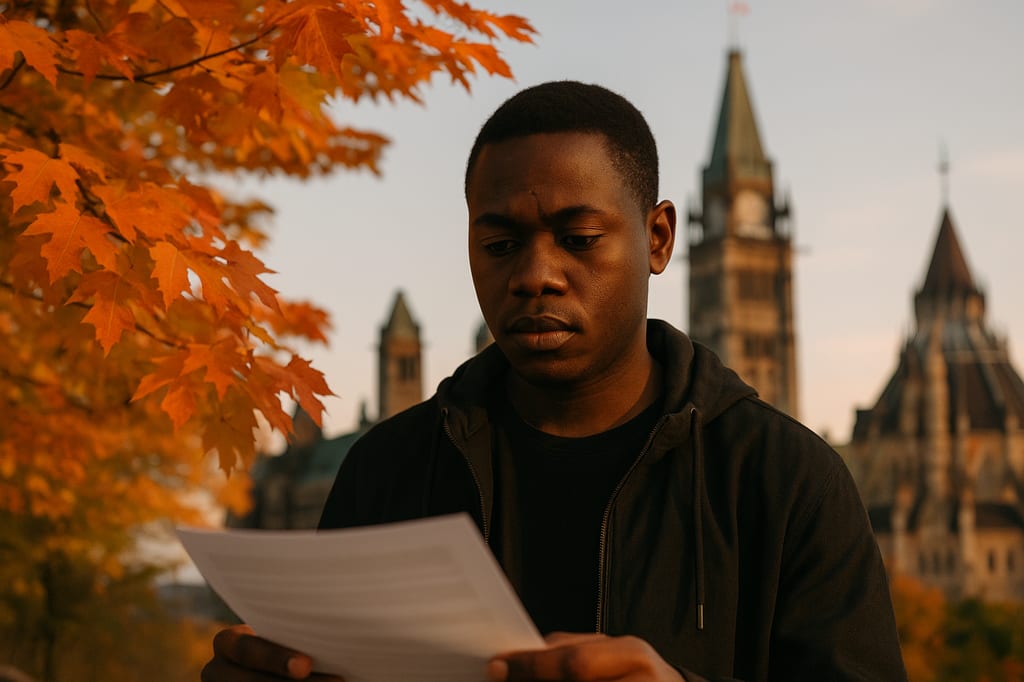
Canada PRRA application for Ugandans: 2026 guide
The Pre-Removal Risk Assessment (PRRA) is an important process for Ugandans facing deportation from Canada. As of 2026, recent updates in Canadian immigration policies have significant implications for asylum seekers. This guide outlines the PRRA application process, eligibility criteria, and the challenges Ugandans may encounter.
Understanding PRRA
The PRRA assesses the risk a person may face if returned to their home country. For Ugandans, this process is especially pertinent given ongoing political instability and concerns about human rights violations. It allows individuals to present evidence that they would be at risk of persecution or danger if deported.
Applicants should note that PRRA applications are typically submitted after a removal order has been issued. Understanding the nuances of this process is crucial, as it differs from refugee claims made at the initial point of entry into Canada.
Recent updates on Canada's immigration policies for 2026
In 2026, Canada introduced several updates affecting immigration, particularly for asylum seekers. The government recognized the unique challenges faced by individuals from countries experiencing political turmoil, such as Uganda. Reports suggest that Canada is easing some deportation rules, which can benefit Ugandans applying for PRRA.
Moreover, the IRCC has indicated that applicants will experience improved processing times and a more transparent review process. These changes align with Canada's commitment to human rights and support for those fleeing dangerous situations.
How Ugandans can apply for PRRA
Ugandans seeking to apply for PRRA must follow these steps:
- Eligibility check: Determine if the individual is eligible to apply. Generally, those who have received a removal order can apply.
- Gather documentation: Collect necessary documents, including proof of identity, evidence of risk in Uganda, and previous immigration documents.
- Submit the application: Applications must be submitted to the IRCC using the appropriate forms. More details can be found on the IRCC application page.
- Await decision: After submission, applicants must wait for a decision, which may take several months.
It’s essential for applicants to stay informed about their application status and seek legal advice if needed.
Challenges faced by Ugandans in the PRRA process
While the PRRA process aims to protect individuals, Ugandans often encounter several challenges:
- Complexity of documentation: Gathering sufficient evidence to support a PRRA application can be difficult, especially when documentation from Uganda is limited.
- Legal representation: Navigating the PRRA process without legal guidance can lead to misunderstandings and potential rejections. Many applicants benefit from consulting a Regulated Canadian Immigration Consultant (RCIC) or a lawyer.
- Processing delays: Despite announced improvements, applicants may still experience significant waiting times, which can be stressful.
Resources for Ugandans seeking asylum in Canada
Several resources can assist Ugandans in the PRRA process:
- Legal aid services: Organizations like Legal Aid Ontario provide support and guidance for asylum seekers.
- Community organizations: Numerous community groups offer resources and support tailored for Ugandans, helping them navigate the immigration system.
- IRCC resources: The IRCC website offers valuable information on the PRRA process and application forms.
For Ugandans considering applying for PRRA in 2026, staying informed and utilizing available resources can significantly enhance their chances of a successful application.
Official current rules are at canada.ca; this guide is independent reference content.