
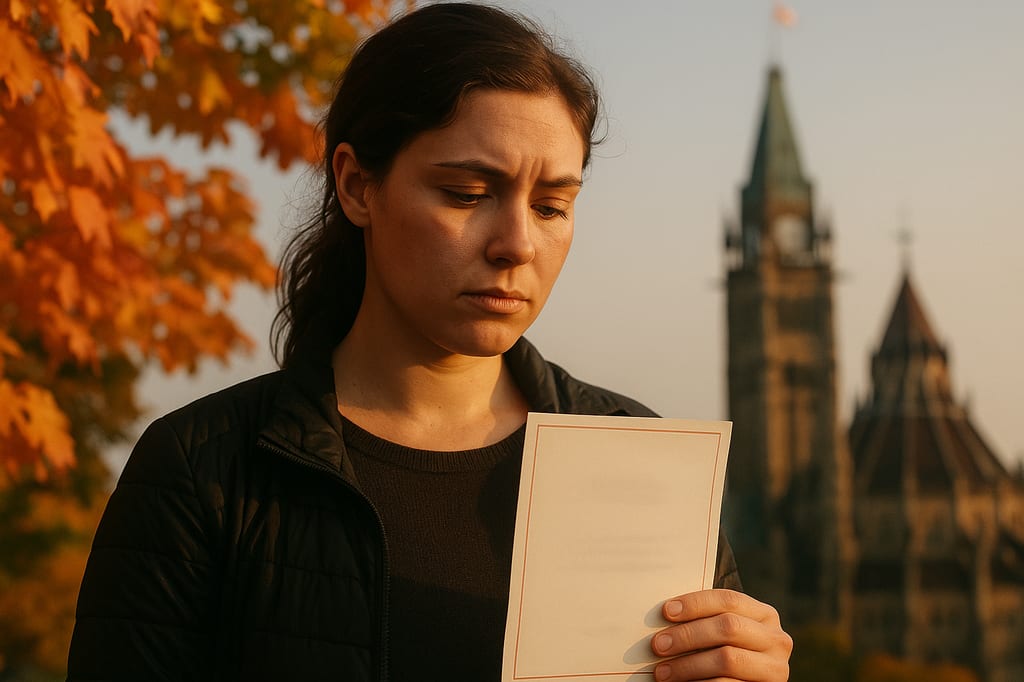
Canada requests certificate surrender due to improper documentation from applicants: 2026 guide
In 2026, Canada has taken important steps to address issues related to citizenship certificates. The government has requested that some applicants surrender their citizenship certificates due to concerns over improper documentation. This initiative aims to maintain the integrity of the citizenship process and uphold the standards expected of applicants.
Understanding the certificate surrender request
The recent request from Canada involves the surrender of citizenship certificates issued to individuals who may not have provided adequate or proper documentation during their application process. This initiative is part of a broader effort to verify the authenticity of citizenship claims and ensure that all applicants meet the necessary legal requirements.
Reasons behind the certificate surrender request
The Canadian government has identified cases where documentation submitted by applicants has been insufficient. This includes discrepancies in identity verification, issues with ancestral documentation, or other concerns that could affect the legitimacy of citizenship claims. By requesting the return of these certificates, Canada aims to enhance the scrutiny of citizenship applications and protect the integrity of its immigration system.
Who is impacted by this request?
The request primarily affects applicants who received citizenship certificates under questionable circumstances. This includes individuals who may have obtained citizenship through descent or those whose documentation has previously raised concerns during the review process. It is crucial for these individuals to understand the implications of this request and how it may impact their status in Canada.
Steps for applicants to take
If an applicant receives a request to surrender their citizenship certificate, they should take immediate action. Here are the recommended steps:
- Review the request: Carefully read the communication from the Canadian government to understand the specifics of the request.
- Gather documentation: Compile all relevant documents that support the original application. This may include birth certificates, identification, and proof of residence.
- Consult a professional: Seeking advice from a Regulated Canadian Immigration Consultant (RCIC) or a licensed immigration lawyer can be beneficial in navigating the process effectively.
- Respond promptly: Ensure that the response to the request is timely and includes all necessary information. Delays could complicate the situation further.
Implications for immigration
The request for certificate surrender reflects a larger trend in Canadian immigration policy aimed at tightening the requirements for citizenship. This move may lead to increased scrutiny for future applicants and could slow down processing times for citizenship applications. Additionally, it raises questions about how documentation is assessed and the standards that applicants must meet moving forward.
For those interested in more information about Canadian immigration developments, it's advisable to stay updated through reliable news sources, such as Canadian Immigration News.
These changes in policy reflect ongoing efforts by the government to ensure that the immigration system is fair and transparent while upholding the values of Canadian society. Applicants are encouraged to remain informed and proactive in their immigration journeys.
Official current rules are at canada.ca; this guide is independent reference content.