
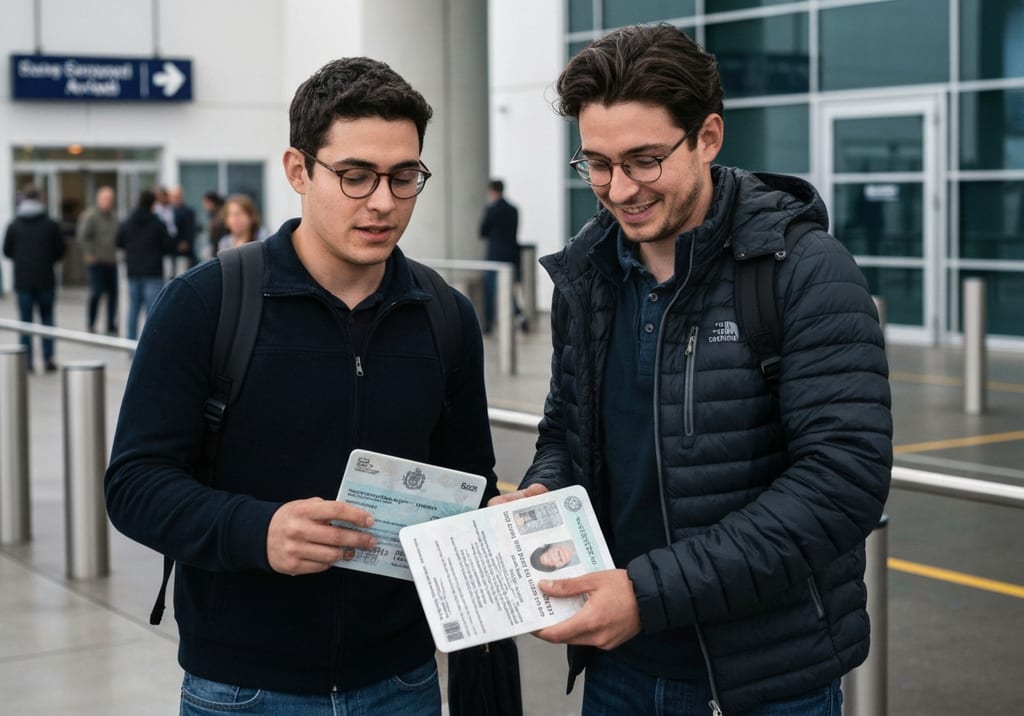
Ethiopian Diaspora: Sponsoring Family to Canada
Ethiopian-Canadians have several options to sponsor a family member to come to Canada. The family sponsorship program is available to Canadian citizens and permanent residents who want to sponsor a spouse, common-law partner, conjugal partner, dependent child, or parent/grandparent to immigrate to Canada. This program has been a lifeline for many families, allowing them to reunite with their loved ones.
introducing family sponsorship for ethiopian-canadians
To be eligible to sponsor a family member, the sponsor must be at least 18 years old, be a Canadian citizen or permanent resident, and meet certain income requirements. For instance, the sponsor must have a minimum income of $32,781 for a single person, which increases depending on the size of the family. The sponsor must also sign an undertaking to provide for the basic needs of the sponsored family member for a certain period of time, usually 3 to 20 years, depending on the type of sponsorship.
eligibility to sponsor a family member
Sponsoring a spouse requires the sponsor and the spouse to be married and meet certain requirements, such as providing proof of marriage and proof of cohabitation. Sponsoring a child, on the other hand, requires the child to be under the age of 22 and unmarried, or over the age of 22 and unable to support themselves due to a physical or mental condition. For example, a child with a disability may be eligible for sponsorship if they are unable to support themselves financially. To sponsor a parent or grandparent, the sponsor must meet certain income requirements and provide proof of relationship, such as a birth or marriage certificate.
relationship and identity evidence for ethiopian applicants
One challenge faced by Ethiopian applicants is providing the required documents to prove their relationship and identity. In Ethiopia, civil documents such as birth and marriage certificates may not always be available or up-to-date. Alternative documents, such as church records or community elders' statements, may be accepted in some cases. It's essential to check with the responsible visa office for the most up-to-date information on required documents, as this can vary depending on the specific circumstances of the application.
processing family sponsorship applications
Family sponsorship applications are processed through the responsible visa office, which is usually located in the country of the sponsored family member's residence. The application process typically involves submitting an application package, including forms, documents, and fees. The application is then reviewed by the visa office, and the sponsored family member may be required to attend an interview or provide additional documentation. For example, the visa office may request additional documentation to verify the sponsor's income or the sponsored family member's identity.
differences between spousal and parent/grandparent streams
The spousal sponsorship stream and the parent/grandparent sponsorship stream have different requirements and processing times. The spousal sponsorship stream is generally faster, with processing times ranging from a few months to a year. In contrast, the parent/grandparent sponsorship stream can take several years to process. Additionally, the parent/grandparent sponsorship stream has a limited number of applications accepted each year, and applicants must submit an interest to sponsor form to be considered.
canada family sponsorship processing time
The processing time for family sponsorship applications can vary depending on the visa office and the complexity of the application. To get an estimate of the processing time, applicants can use the IRCC processing time tool. It's also essential to check the IRCC website for the most up-to-date information on processing times, as this can change over time.
canada family sponsorship requirements
To sponsor a family member, the sponsor must meet certain requirements, such as being at least 18 years old, being a Canadian citizen or permanent resident, and meeting certain income requirements. The sponsor must also sign an undertaking to provide for the basic needs of the sponsored family member for a certain period of time. For more information on the requirements, visit the IRCC website, which provides detailed information on the eligibility criteria and application process.
canada family sponsorship application
The family sponsorship application process typically involves submitting an application package, including forms, documents, and fees. The application is then reviewed by the visa office, and the sponsored family member may be required to attend an interview or provide additional documentation. For example, the sponsored family member may need to provide biometric data, such as fingerprints, as part of the application process. For more information on the application process, visit the IRCC website, which provides step-by-step guidance on how to apply.
tracking the status of your application
Applicants can track the status of their application using the IRCC online application status tool. This tool allows applicants to check the status of their application and receive updates on the processing of their application. It's essential to check the status of your application regularly, as this can help you stay informed about the progress of your application and any additional documentation that may be required.
accessing ircc online services
To access IRCC online services, applicants must create an account and log in to the IRCC website. This allows applicants to submit applications, check the status of their application, and receive updates on the processing of their application. For example, applicants can use the online services to submit additional documentation or respond to requests for information from the visa office.
sponsoring a spouse
To sponsor a spouse, the sponsor and the spouse must be married and meet certain requirements, such as providing proof of marriage and proof of cohabitation. For more information on sponsoring a spouse, visit the IRCC website, which provides detailed information on the eligibility criteria and application process. It's essential to note that the sponsor and the spouse must also meet certain income requirements and provide proof of relationship, such as a marriage certificate.
family sponsorship visa
The family sponsorship program allows Canadian citizens and permanent residents to sponsor a family member to immigrate to Canada. The sponsored family member will receive a permanent resident visa, which allows them to live and work in Canada. For example, a sponsored family member can work in Canada, access public healthcare, and enroll in education programs.
For more information on family sponsorship, you can visit the family sponsorship page on our website. You can also find more information on Express Entry, work permits, and study permits.
Official current rules are at canada.ca/immigration; this guide is independent reference content.