
Medical inadmissibility in Canada 2026: excessive demand rules
Medical inadmissibility is a crucial part of the Canadian immigration process. Immigration, Refugees and Citizenship Canada (IRCC) assesses an applicant's health condition to determine its potential impact on the Canadian healthcare system. This assessment considers the cost of treating the applicant's condition and its potential impact on the healthcare system. Applicants found to be medically inadmissible may be refused entry to Canada or required to undergo additional medical testing or treatment.
introduction to medical inadmissibility
The IRCC uses medical inadmissibility to determine whether an applicant's health condition poses a risk to the Canadian healthcare system. This assessment is based on the potential cost of treating the applicant's condition, as well as its potential impact on the healthcare system. For instance, the IRCC may consider the cost of ongoing treatment, the need for specialized care, and the potential strain on the healthcare system.
Applicants who are found to be medically inadmissible may be refused entry to Canada or required to undergo additional medical testing or treatment. It's worth noting that the IRCC's assessment is not just about the cost of treatment, but also about the potential impact on the healthcare system as a whole. In some cases, an applicant's health condition may not be a significant burden on the healthcare system, but it could still pose a risk to public health.
excessive demand rules
Excessive demand rules are a key component of the medical inadmissibility assessment. These rules ensure that applicants do not pose an undue burden on the Canadian healthcare system. The IRCC considers various factors to determine whether an applicant's health condition poses an excessive demand, including the cost of treatment and the availability of medical resources.
For example, if an applicant requires ongoing treatment that is not readily available in Canada, they may be found to pose an excessive demand. On the other hand, if an applicant's health condition can be managed with relatively low-cost treatment, they may not be found to pose an excessive demand. The IRCC's assessment is nuanced and takes into account a range of factors.
immigration medical exam process
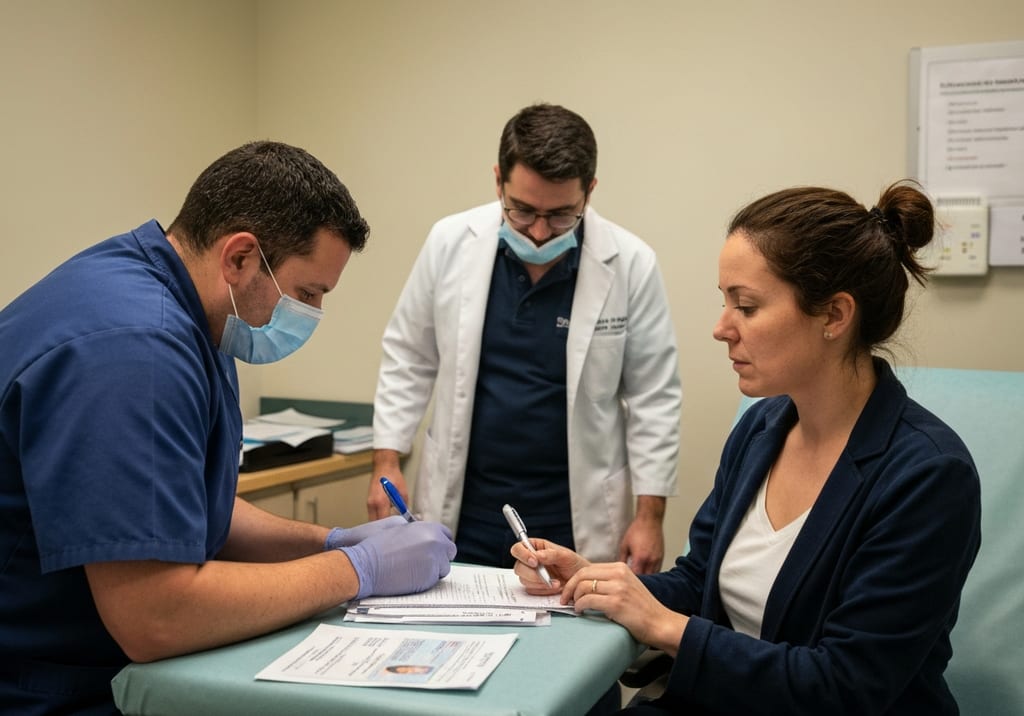
The immigration medical exam is a required step in the immigration process for most applicants. The exam assesses an applicant's health and determines their admissibility to Canada. The exam typically includes a physical examination and a review of the applicant's medical history. Applicants may also be required to undergo additional medical testing, such as blood work or imaging tests.
To learn more about the immigration medical exam process, applicants can visit the IRCC website or consult with a registered immigration consultant. It's a good idea to prepare for the exam by gathering all necessary medical documents and information about your medical history.
navigating the medical inadmissibility process
Navigating the medical inadmissibility process can be complex and challenging. Applicants found to be medically inadmissible may be able to appeal the decision or undergo additional medical testing or treatment to demonstrate their admissibility. For more information on the medical inadmissibility process, applicants can visit the IRCC website or consult with a registered immigration consultant.
Applicants can also visit our medicals and biometrics page for more information on the immigration medical exam process. We recommend that applicants stay organized and keep track of all correspondence with the IRCC and any medical professionals involved in their assessment.
understanding your options
If an applicant is found to be medically inadmissible, they may have several options available to them. They may be able to appeal the decision, or they may be able to undergo additional medical testing or treatment to demonstrate their admissibility. In some cases, applicants may be able to provide additional information or documentation to support their application.
It's essential for applicants to understand their options and to seek advice from a registered immigration consultant if needed. Applicants can visit our Express Entry page for more information on the immigration process, or consult with a registered immigration consultant for personalized advice.
Official current rules are at canada.ca; this guide is independent reference content.