
Parents and Grandparents Program (PGP): How It Works
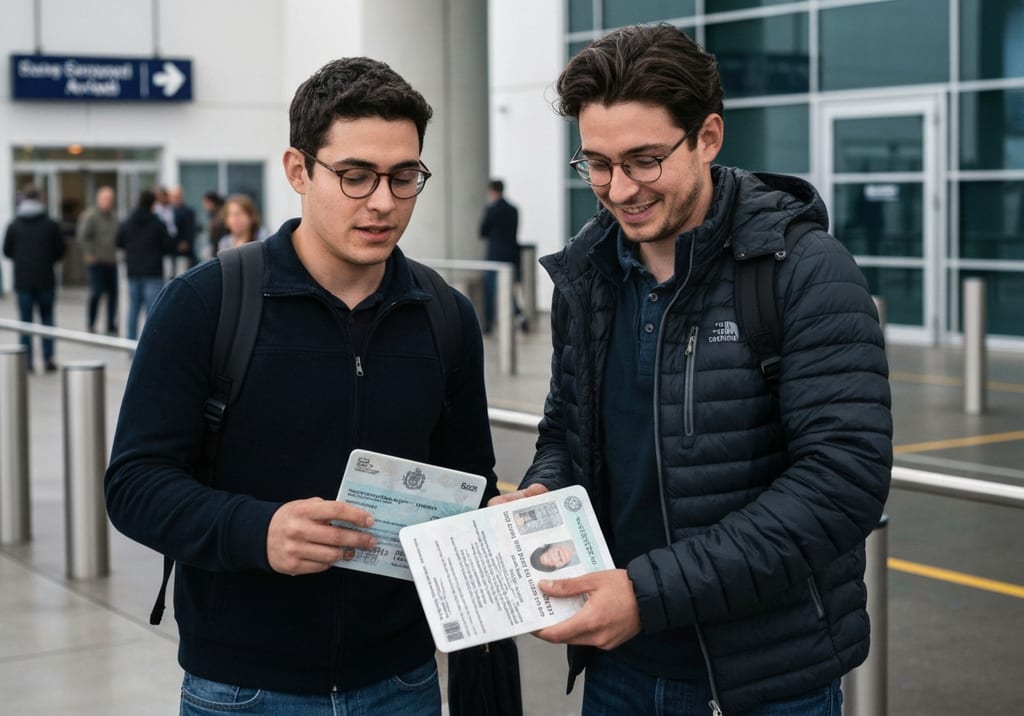
The Parents and Grandparents Program (PGP) is how Canadian citizens and permanent residents sponsor their parents and grandparents to become permanent residents of Canada. If you've been searching for a way to bring your mom, dad, or grandparents to live with you here for good, this is the main pathway. Here's how it actually works, from who qualifies to what to do while you wait for a spot to open.
What the PGP is (and the Super Visa alternative)
The PGP is a sponsorship program under the family class. As the sponsor, you take on a legal commitment to support your parents or grandparents financially so they don't need to rely on government social assistance. In return, they get permanent resident status, which lets them live, work, and eventually apply for citizenship in Canada.
The catch is that the PGP isn't open year-round. Because demand far outstrips the number of spots the government makes available, applications are limited. In recent years, IRCC has invited people from a pool of "interest to sponsor" submissions rather than accepting open applications. The rules and the method of selection can change from one intake to the next, so always check the official IRCC website for how the current round is being run before you do anything.
If you can't get into the PGP, or you simply want your parents or grandparents to visit for long stretches, look at the Super Visa. It's a multi-entry temporary visa that lets eligible parents and grandparents stay for an extended period per visit, provided they have qualifying Canadian medical insurance. It doesn't lead to permanent residence, but it's far more accessible and is a common backup plan.
Who can sponsor and who can be sponsored
To be a sponsor, you generally must:
- Be at least 18 years old.
- Be a Canadian citizen, a permanent resident, or a person registered as an Indian under the Canadian Indian Act.
- Live in Canada (and intend to keep living here once your relatives arrive).
- Meet a minimum necessary income for your family size, usually for several consecutive tax years. The required amount depends on how many people you're responsible for, and the exact figures change yearly, so confirm them on the official IRCC website.
- Sign an undertaking agreeing to financially support the people you sponsor for a set number of years. In some cases a spouse or common-law partner can act as a co-signer to help meet the income requirement.
The people you sponsor must genuinely be your parents or grandparents (including step-parents and step-grandparents in many cases). Their own dependent children may be included on the same application. Aunts, uncles, and other relatives don't qualify under this program.
A key point many people miss: the income requirement is checked against your tax filings, so keeping your taxes filed and your Notices of Assessment handy is essential. If you were on certain types of social assistance, that can affect eligibility.
How the process typically works
While details shift between intakes, the general flow looks like this:
- Submit an interest-to-sponsor form during the window IRCC opens for it. This is just signaling that you want to apply.
- Wait to be invited. IRCC selects people from the pool and sends invitations to apply. If you're not invited in a given round, you may need to wait for the next one.
- Submit the full application if invited. This includes your sponsorship application, the permanent residence application for your relatives, proof of relationship, and proof you meet the income requirement.
- Pay the fees. A government processing fee applies, along with a right-of-permanent-residence fee and, typically, biometrics costs. Confirm current amounts on the official IRCC website.
- Your relatives complete medical exams and background checks as part of being assessed for permanent residence.
- A decision is made, and if approved, your parents or grandparents become permanent residents.
Processing takes a long time, often well over a year, and the current estimate shifts constantly. Don't plan around a fixed timeline; check the live processing-time tool on the official IRCC website.
Smart steps to take while you wait
Because getting into the PGP can take patience, use the waiting time well:
- File your taxes every year and keep your Notices of Assessment. Income is the most common reason applications get rejected.
- Watch for the intake window. IRCC announces when the interest-to-sponsor form opens, and these periods can be short. Missing it means waiting for the next round.
- Consider the Super Visa in parallel. It can keep your family together for long visits while you work through the PGP.
- Keep your relationship documents organized — birth certificates and other proof connecting you to your parents or grandparents.
- Verify every current number (income thresholds, fees, processing times, undertaking length) directly on the official IRCC website before you submit, since these are the details most likely to have changed since any guide was written.
The PGP is one of the most meaningful family-reunification routes Canada offers, but it rewards preparation. Get your finances and paperwork in order now, and you'll be ready to act the moment a window opens.