
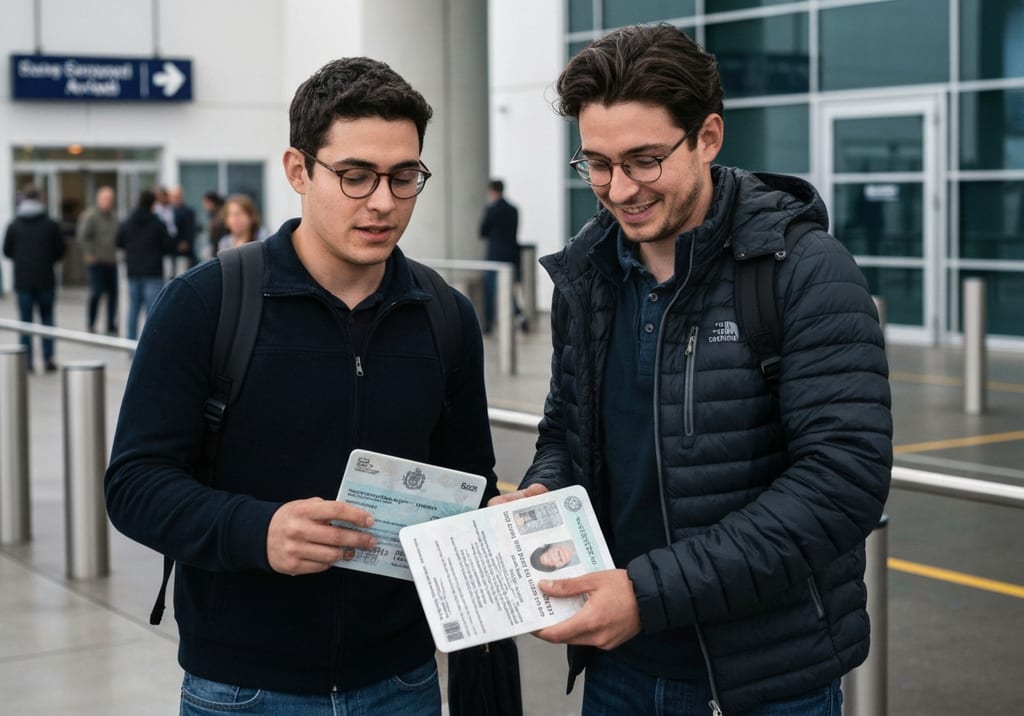
sponsoring a same-sex partner from a country that bans same-sex relationships
Applicants in same-sex relationships may face unique challenges when sponsoring their partner to Canada, particularly if their country of origin bans or doesn't recognize same-sex relationships. This guide provides an overview of the sponsorship process, helping determine the correct sponsorship category, and offering strategies for gathering evidence and proving a genuine relationship.
introduction to same-sex partner sponsorship
Canada recognizes same-sex relationships and allows citizens and permanent residents to sponsor their same-sex partners for immigration through the family sponsorship program. This program includes spousal, common-law, and conjugal partner sponsorships. However, same-sex couples from countries that ban or don't recognize same-sex relationships may face difficulties in proving their relationship is genuine. For instance, they may struggle to provide documentation or evidence of their relationship due to the lack of recognition in their home country.
determining the correct sponsorship category
To sponsor a same-sex partner, you must determine which sponsorship category is most suitable for your situation. There are three main categories: spousal sponsorship for married couples, common-law sponsorship for couples who have lived together for at least 12 months, and conjugal partner sponsorship for couples who are in a genuine relationship but are unable to live together due to circumstances beyond their control. Couples should review the requirements for each category, as outlined on the IRCC website, to choose the one that best fits their situation. It's also important to consider the specific circumstances of your relationship and how they may impact your application.
The requirements for each category can be complex, and it's essential to understand the differences between them. For example, if you're married, you would apply under the spousal sponsorship category, while if you're not married but have lived together for at least 12 months, you would apply under the common-law sponsorship category. In some cases, couples may need to provide additional documentation or evidence to support their application.
gathering evidence and proving a genuine relationship
Gathering evidence to prove a genuine relationship can be challenging, especially if you're from a country that doesn't recognize same-sex relationships. In such cases, alternative forms of evidence may be necessary, such as letters and emails, photos and videos, travel itineraries and receipts, or statements from friends and family members. It's crucial to document your relationship as thoroughly as possible and be prepared to provide detailed explanations for any gaps in your evidence. You can find more information on the required documents and evidence on the IRCC website.
When gathering evidence, it's essential to be meticulous and thorough. This may involve collecting documents and records from various sources, such as email providers, social media platforms, or travel companies. Additionally, statements from friends and family members can provide valuable context and support for your application.
safety considerations and referral to accredited counsel
When sponsoring a same-sex partner from a country that bans same-sex relationships, safety should be a top priority. This may involve taking extra precautions to protect your partner's identity and safety, such as using secure communication channels or avoiding public disclosure of your relationship. Seeking advice from accredited immigration counsel can provide valuable guidance and support throughout the sponsorship process. You can find a list of accredited immigration counsel on the IRCC website.
It's also important to consider the potential risks and challenges associated with sponsoring a same-sex partner from a country that bans same-sex relationships. This may involve navigating complex legal and social issues, as well as providing emotional support and guidance to your partner throughout the process.
processing outside of canada realities
If your partner is outside of Canada, you'll need to apply through the out-of-country sponsorship process. This process involves submitting an application to the IRCC and waiting for processing. You can check the current processing times on the IRCC website. It's essential to stay informed and up-to-date on the status of your application, as well as any changes to the processing times or requirements.
The out-of-country sponsorship process can be lengthy and complex, and it's crucial to be patient and persistent. This may involve following up with the IRCC, providing additional documentation or evidence, or seeking guidance from accredited immigration counsel.
next steps
Sponsoring a same-sex partner from a country that bans same-sex relationships can be complex and challenging. However, with the right guidance and support, it is possible to navigate the process successfully. By determining the correct sponsorship category, gathering evidence to prove a genuine relationship, and prioritizing safety, you can help your partner immigrate to Canada. For more information on family sponsorship, visit the family sponsorship page.
Official current rules are at canada.ca/immigration; this guide is independent reference content.