
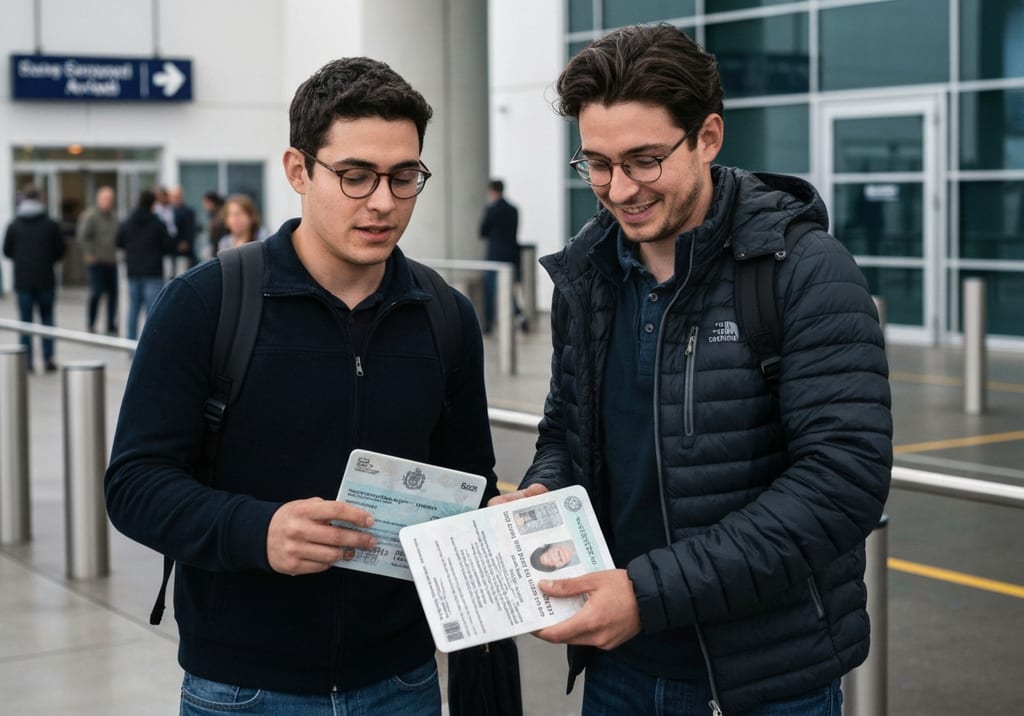
Sponsoring a Spouse From Nigeria to Canada
Sponsoring a spouse from Nigeria to Canada is a complex process that requires careful navigation. Nigerian-Canadian couples can reunite in Canada with the right guidance. This article will guide you through the spousal sponsorship process, including how to prove a genuine relationship, handle traditional or customary marriages, and understand the differences between inland and outland sponsorship.
introduction to spousal sponsorship
The spousal sponsorship program allows Canadian citizens or permanent residents to sponsor their spouse or common-law partner to come to Canada. Immigration, Refugees and Citizenship Canada (IRCC) administers the program. To be eligible, sponsors must meet certain requirements, such as being at least 18 years old and meeting the required income levels. They must also be Canadian citizens or permanent residents.
Proving a genuine relationship is a key part of the spousal sponsorship process. Couples can demonstrate this through various types of evidence, including photos, emails, and witness statements. The IRCC assesses the relationship by considering factors such as the length of time the couple has been together and the quality of the relationship. For example, a couple who has been together for several years and has a strong support system in Canada may have an easier time proving their relationship is genuine.
proving a genuine relationship
The IRCC uses a genuineness test to evaluate the relationship. This test considers several factors, including the couple's communication, financial support, and shared responsibilities. Couples can provide evidence of their relationship through documents such as joint bank statements, rental agreements, and travel itineraries. It's essential to provide detailed and specific examples of the relationship to demonstrate its genuineness. For more information on proving a genuine relationship, see our article on proving a genuine relationship to IRCC: evidence that works.
inland vs outland sponsorship
There are two types of spousal sponsorship: inland and outland. Inland sponsorship is for couples who are already living together in Canada, while outland sponsorship is for couples who are living apart. The main difference between the two is the processing time and the requirements for the application. Inland sponsorship is generally faster, but it requires the sponsored person to have a valid temporary resident status in Canada. Outland sponsorship, on the other hand, can take longer, but it allows the sponsored person to apply from outside Canada. For instance, a couple who is already living together in Canada may prefer inland sponsorship, while a couple who is living apart may prefer outland sponsorship.
handling traditional or customary marriages
Traditional or customary marriages are recognized in Canada, but they require additional documentation. The IRCC requires proof of the marriage, such as a marriage certificate or a letter from the community leader. It's also important to note that polygamous marriages are not recognized in Canada. Couples who have a traditional or customary marriage must provide detailed documentation to support their application.
the sponsorship process for the nigerian visa office
The sponsorship process for the Nigerian visa office involves several steps. First, the sponsor must submit an application to IRCC, which includes the required documents and fees. Once the application is received, it will be processed by the IRCC. If the application is approved, the sponsored person will be required to undergo a medical examination and provide police certificates. The final step is the interview at the Nigerian visa office, where the sponsored person will be required to provide additional documentation and answer questions about their relationship. It's crucial to ensure that all documents are complete and accurate to avoid delays in the process.
For more information on the spousal sponsorship process, you can visit the IRCC website for the latest information on immigration programs and requirements. You can also explore other immigration options, such as Express Entry or Provincial Nominee Programs, to determine which one is best for your situation.
To learn more about Canadian immigration from Nigeria, you can visit our country guide. This guide provides detailed information on the immigration process, requirements, and options available to Nigerian citizens.
Official current rules are at canada.ca/immigration; this guide is independent reference content.