
Spousal Sponsorship in Canada: How the Process and Requirements Work
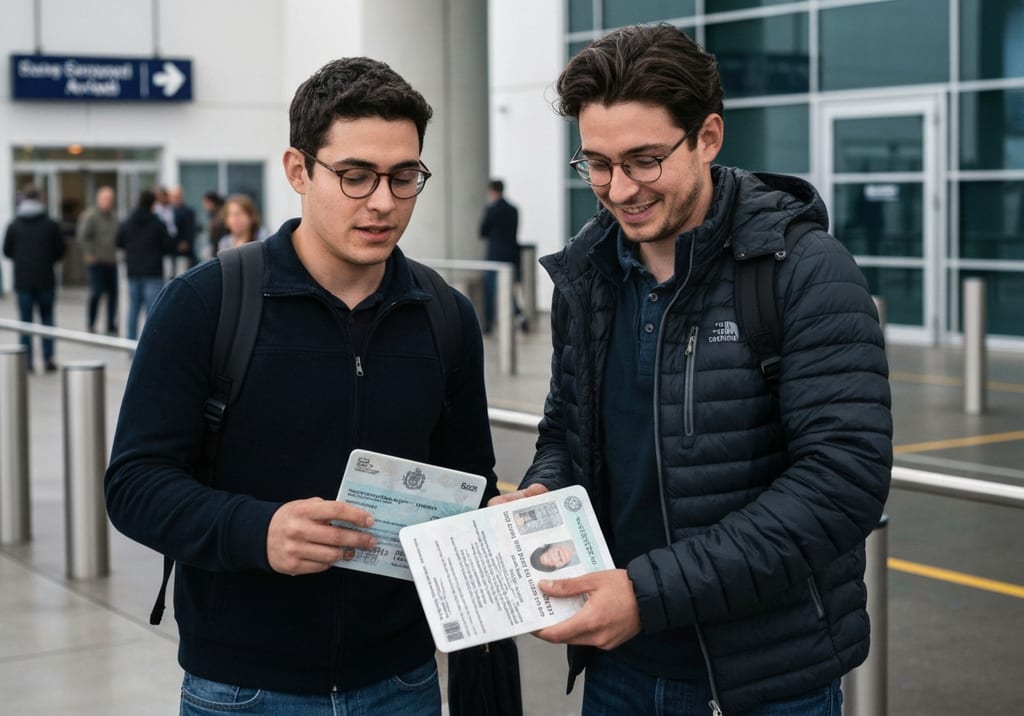
If you're a Canadian citizen or permanent resident and your husband, wife, or partner lives abroad (or is already here on another status), spousal sponsorship is the program that lets you bring them to Canada as a permanent resident. It's one of the most common family-class applications, and the basic structure has stayed consistent for years. Here's how it actually works, start to finish.
Who can sponsor and who can be sponsored
To be a sponsor, you generally need to be at least 18, and be a Canadian citizen, a permanent resident, or a person registered under the Canadian Indian Act. If you're a permanent resident, you have to be physically residing in Canada to sponsor. Citizens can sometimes sponsor from outside Canada, but only if they can show they'll return to live here once their partner lands.
On the other side, the person you sponsor must fit one of three relationship categories:
- Spouse — you're legally married, and the marriage is recognized as valid both where it took place and under Canadian law.
- Common-law partner — you've lived together continuously in a conjugal relationship for at least one year.
- Conjugal partner — you're in a committed relationship of at least one year but couldn't live together or marry due to a genuine barrier (for example, immigration or marital-status obstacles in your partner's country). This category is narrow and meant for exceptional situations.
A few things will block you from sponsoring regardless of the relationship: being in default on a previous sponsorship undertaking or an immigration loan, being in prison, having declared bankruptcy that isn't discharged, or certain criminal convictions. Unlike sponsoring a parent or grandparent, spousal sponsorship usually has no minimum income requirement — though that exemption can change if dependent children with their own children are involved, so confirm your situation on the official IRCC website.
Inland versus outland: two routes
There are two streams, and choosing the right one matters.
Outland sponsorship is processed through the visa office responsible for your partner's country or region. It's the standard route when your partner lives outside Canada, but you can use it even if they're physically in Canada. Its main advantage is that the sponsored person can usually continue to travel in and out of Canada while the application is processed.
Inland sponsorship applies when your partner is already living in Canada with valid temporary status (such as a visitor, worker, or student). A key benefit here is that applicants can often apply for an open work permit while they wait, letting them work for almost any employer during processing. The trade-off is that leaving Canada during an inland application can create complications if re-entry is refused.
Pick the stream that matches where your partner lives and how much they need to travel or work while they wait.
The application step by step
The core of every spousal application is proving two things: that you're eligible, and that your relationship is genuine and not entered into mainly for immigration. Expect to:
- Gather documents — passports, the marriage certificate or proof of cohabitation, police certificates, and a medical exam from a panel physician.
- Build relationship evidence — photos together over time, chat and call logs, joint bank accounts or leases, travel records, and letters from people who know you both. Volume and consistency matter more than any single document.
- Complete the forms for both the sponsor and the applicant, and pay the government processing fees (a sponsorship fee, a processing fee, and the right-of-permanent-residence fee). Fee amounts change, so check the current figures on the official IRCC website before you pay.
- Submit and respond — after submission you may be asked for more documents, biometrics, or, in some cases, an interview.
Sign your forms carefully and answer honestly. Misrepresentation, even by omission, can lead to a refusal and a multi-year ban.
After you apply: the undertaking and conditions
When you sponsor, you sign an undertaking — a legally binding promise to financially support your partner so they don't need to rely on social assistance. For a spouse or partner, this undertaking lasts three years from the day they become a permanent resident, and it stays in force even if the relationship later breaks down. If your partner receives social assistance during that window, you may have to repay it.
Once approved, your partner becomes a permanent resident with the same PR rights you'd expect: a PR card valid for five years, the residency obligation to be physically present in Canada for at least 730 days in every five-year period, and eligibility to apply for citizenship later, which requires 1,095 days of physical presence within the five years before applying.
Processing times vary a lot by visa office and by how complete your application is, so treat any timeline you see as an estimate and verify the current figure on the official IRCC website. The single best thing you can do to avoid delays is submit a thorough, well-organized application the first time — incomplete packages are the most common reason couples wait longer than they need to.