
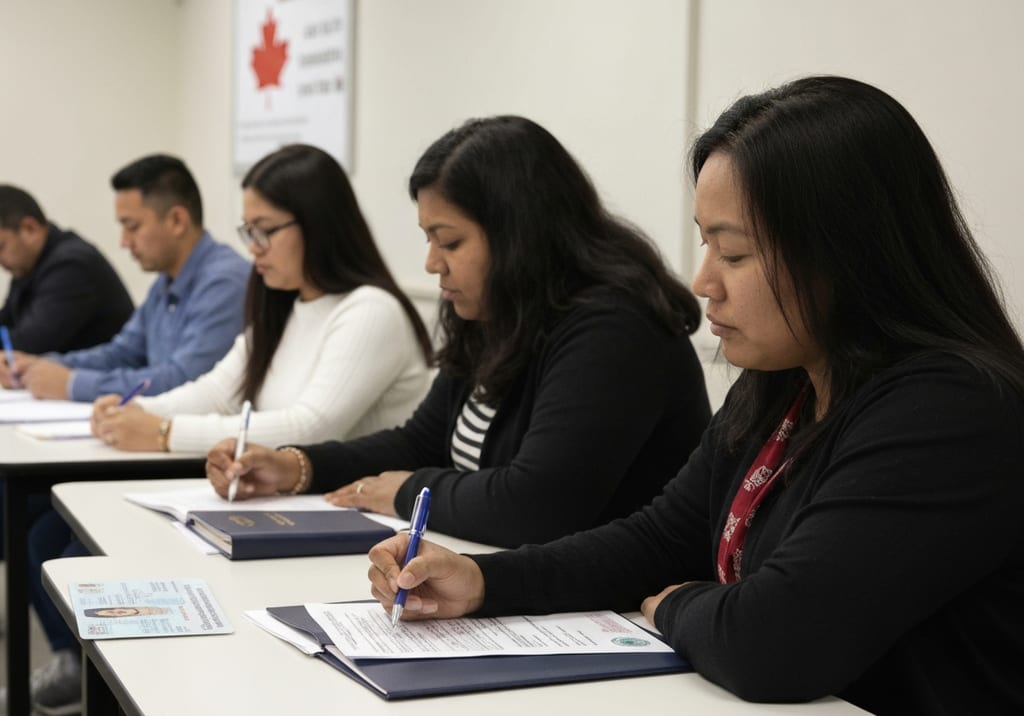
Where Chinese Newcomers Settle: Vancouver and Toronto
When choosing a city to start their new life in Canada, many Chinese newcomers find themselves deciding between Vancouver and Toronto. Both cities have well-established communities that speak Mandarin and Cantonese, offering a wide range of cultural, social, and economic opportunities. This article will explore the advantages and disadvantages of each city, including the cost of housing, options for schooling, and services for language and settlement.
introduction to chinese newcomer settlement in canada
Canada is a popular destination for immigrants from China, with many settling in cities like Vancouver and Toronto. According to the Immigration, Refugees and Citizenship Canada website, China is one of the top countries for Canadian immigration. Chinese newcomers are drawn to Canada's diverse culture, strong economy, and high standard of living. I've spoken to several Chinese immigrants who have settled in Canada, and they all mention the country's welcoming atmosphere as a major factor in their decision.
vancouver and toronto: hubs for chinese communities
Vancouver and Toronto are home to large, established Chinese communities. Neighborhoods like Richmond and Burnaby in Vancouver have high concentrations of Mandarin- and Cantonese-speaking residents. In Toronto, suburbs like Markham and Richmond Hill have significant Chinese populations. These communities offer a variety of cultural amenities, such as Chinese restaurants, shops, and community centers. For example, Vancouver's Chinatown is one of the largest in North America, with a wide range of shops, restaurants, and cultural events.
housing costs and realities in vancouver and toronto
The cost of housing is a major consideration for Chinese newcomers. Vancouver is known for its high housing prices, with the average price of a detached home exceeding $1 million. Toronto's housing market is also competitive, although prices are slightly lower than in Vancouver. Renters can expect to pay around $2,000-3,000 per month for a one-bedroom apartment in either city. To get a better sense of the housing market, you can visit the BC government website or the City of Toronto website. I've found that the best way to get a feel for the housing market is to explore different neighborhoods and talk to locals.
schooling and education options for chinese newcomers
Both Vancouver and Toronto offer a range of schooling options for Chinese newcomers, including public and private schools with language support programs. The Vancouver School Board offers a variety of programs for English language learners, including Mandarin and Cantonese language classes. Toronto's Toronto District School Board also offers language support programs, as well as cultural and recreational activities for Chinese students. Some schools even offer specialized programs, such as international baccalaureate programs or STEM-focused curricula.
language and settlement services for chinese newcomers
Language and settlement services are essential for Chinese newcomers to succeed in Canada. Both Vancouver and Toronto have a range of government-funded programs and community organizations that offer language classes, job training, and settlement support. For example, the Vancouver Public Library offers free English language classes, while the Toronto Newcomer Office provides settlement services and job training programs. Chinese newcomers can also access language and settlement services through organizations like the Chinese Cultural Centre in Vancouver or the Chinese Canadian National Council in Toronto. I've heard that these organizations are incredibly helpful in providing support and guidance to newcomers.
Chinese newcomers have a lot to consider when deciding between Vancouver and Toronto. By researching housing costs, schooling options, and language and settlement services, they can make an informed decision about which city is best for them. For more information on settlement services and language support, visit our settlement page or explore our Express Entry and Provincial Nominee Programs guides. Official current rules are at canada.ca/immigration; this guide is independent reference content.