
Why Iranian Applicants Face Longer Background Checks
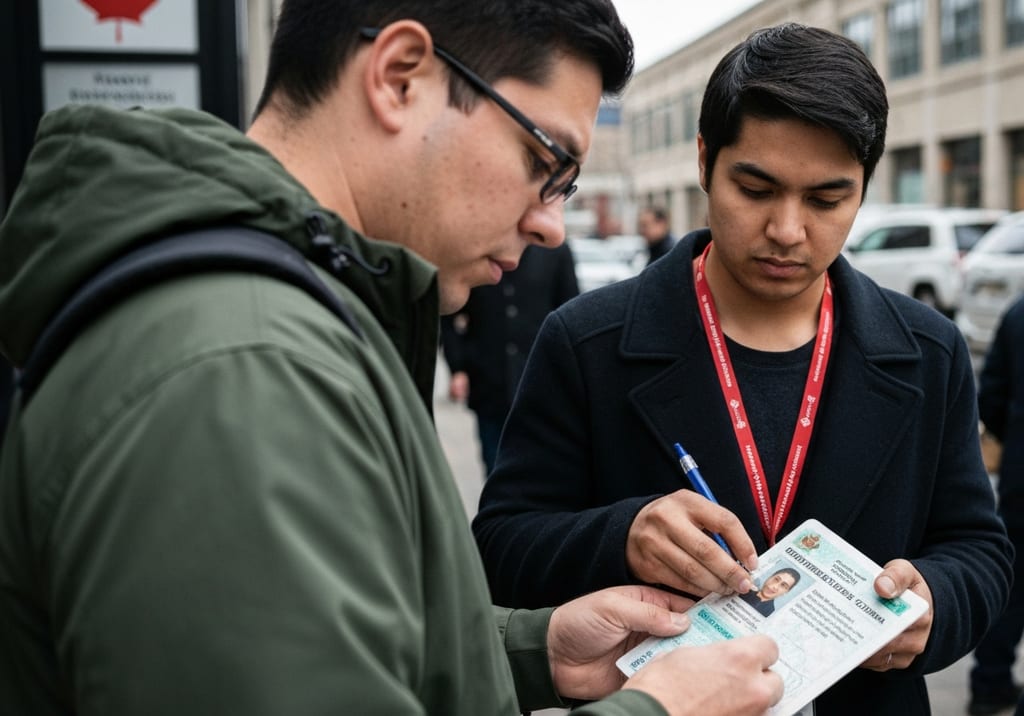
Iranian applicants may face longer background checks due to security screening, a critical step in the immigration process. This article explains why Iranian applicants are subject to extended security and background screening, what security screening entails, and how it affects overall processing. We also provide tips for applicants to minimize delays and stay informed about their application status.
introduction to background checks for iranian applicants
Applicants from Iran often experience longer processing times due to the additional security and background screening required for their applications. This is not unique to Iranian applicants, as applicants from other countries may also undergo similar screening. The specific requirements and procedures for Iranian applicants can be more complex and time-consuming. For instance, the screening process may involve checking various databases and sources to ensure the applicant does not pose a security risk to Canada.
what is security screening
Security screening is a process used by Immigration, Refugees and Citizenship Canada to assess the eligibility of applicants to enter or remain in Canada. The screening process involves checking databases and sources for criminal activity, national security concerns, and other potential risks. This process is designed to ensure the safety and security of Canada and its citizens. You can find more information on the security screening process on the Immigration, Refugees and Citizenship Canada website.
how security screening interacts with overall processing
The security screening process can add time to the overall processing of an application. This is because the screening process may require additional information or documentation from the applicant, which can take time to gather and submit. For example, an applicant may need to provide documentation to verify their identity or address. The screening process can also affect the outcome of an application. If the screening process reveals any concerns or issues, the application may be refused or delayed. In some cases, the applicant may be required to attend an interview or provide additional information to support their application.
minimizing delays and staying informed
To minimize delays and stay informed about their application status, applicants should ensure their application is complete and includes all required documentation. Responding promptly to requests for additional information or documentation is also crucial. Applicants can use the IRCC web form to check the status of their application and request updates. It's also a good idea to regularly check the IRCC website for updates on processing times and application requirements.
checking application status and seeking information
Applicants can check the status of their application using the IRCC website. The IRCC web form can be used to request updates and ask questions about their application. For information on the Express Entry process, applicants can consult the Express Entry website. Information on study permit and work permit requirements can be found on the study permit and work permit pages, respectively. I've found the processing times page to be particularly useful in understanding how long the application process can take.
Iranian applicants can face a complex and time-consuming process, but being informed and prepared can help minimize delays. By understanding the security screening process and how it interacts with overall processing, applicants can take steps to ensure their application is processed as quickly as possible. For more information on immigration processing times, visit the processing times page. Official current rules are at canada.ca; this guide is independent reference content. canada.ca is the official government website for immigration, refugees, and citizenship information