
How to Bring Your Parents to Canada When PGP Is Closed
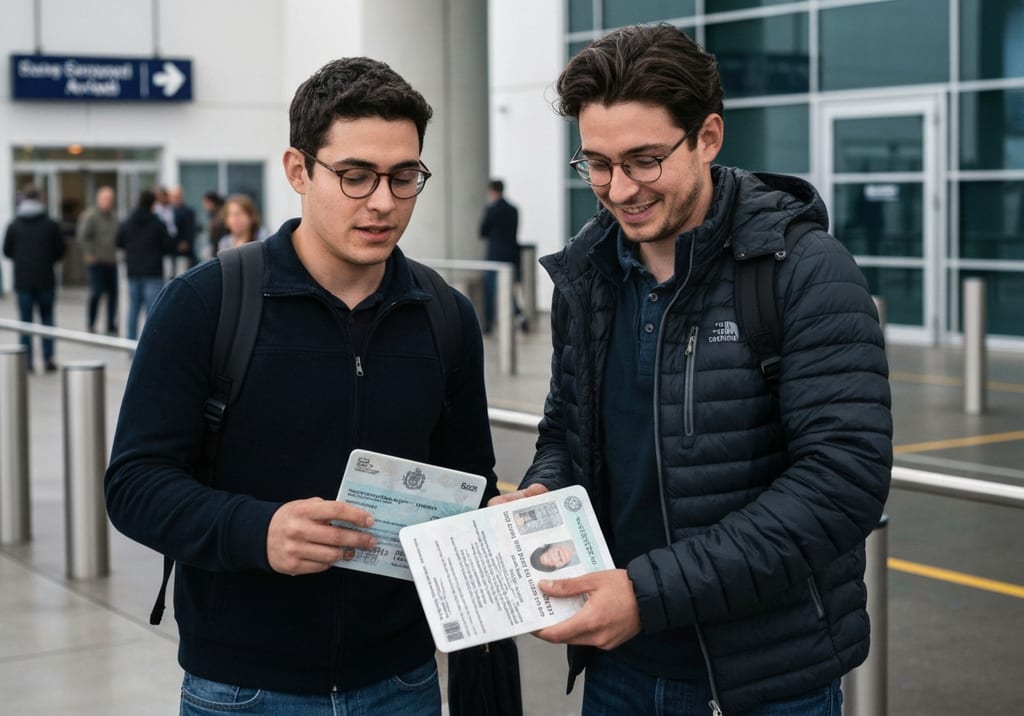
If you have been waiting for a chance to sponsor your mom or dad, the news from July 2026 stings. IRCC has paused new intake into the Parents and Grandparents Program (PGP): no new interest-to-sponsor forms, no fresh invitations, until further notice. But a paused sponsorship program is not the end of the road for reuniting with your parents in Canada. There are real, legal ways to have them here, some for years at a time, while you wait for the door to reopen. Here is every legitimate option, laid out plainly.
First, what actually changed with PGP
On July 15, 2026, IRCC said it would not receive new interest-to-sponsor forms or invite potential sponsors to apply until further notice. A few things are worth understanding before you plan around it:
- Existing applications keep moving. If your PGP file is already in the system (about 60,500 applications are in progress), IRCC will continue to process it. Processing runs long — roughly 33 months, and up to 66 months in Quebec.
- There is still a target. The 2026 target for PGP permanent-resident admissions is 15,000.
- This did not start in 2026. No new interest-to-sponsor form has opened since 2020.
The practical upshot: if you don't already have an application in, you can't start one right now. That is exactly where the alternatives come in.
The Super Visa: your strongest alternative
The Super Visa is IRCC's own named alternative, and for most families it is the best one. It is a long-stay visitor visa built specifically for parents and grandparents.
What makes it powerful:
- Up to 5 years per visit. Your parents can stay for five years at a time, without leaving and re-applying each year.
- Multi-entry for up to 10 years. They can come and go over a decade (in practice, this is capped by passport expiry).
To qualify, the sponsoring child or grandchild in Canada has to show enough income. This is based on the Low Income Cut-Off (LICO) — and here is a helpful detail: it is the plain LICO, not the higher LICO-plus-30% used for full PGP sponsorship. For a household of one, that figure is $30,526; two is $38,002; three is $46,720; four is $56,724; and it climbs from there, with each additional person adding $8,224.
As of March 31, 2026, you can meet the income test one of two ways: the full amount in either of the last two tax years, or at least 75% of it in the most recent year with your visiting parent's own income counted as well.
Your parent also needs:
- Medical insurance: at least CAD $100,000 in emergency coverage, valid for at least one year, covering health care, hospitalization and repatriation. You can now buy it from a Canadian insurer or an OSFI-authorized foreign one. Keep proof handy — it has to be shown on every entry.
- An immigration medical exam.
Because the Super Visa is temporary status, it does not lead directly to permanent residence. What it does give you is long, uninterrupted time together — years, not weeks.
A visitor visa or eTA for shorter trips
If five-year stays are more than you need — say your parent wants to visit for a season and then go home — a standard visitor route may be simpler.
- Depending on their nationality, your parent will need either a visitor visa (a Temporary Resident Visa) or an electronic travel authorization (eTA).
- Visitor status is normally granted for up to six months per entry, and the border officer sets the exact length.
- There is no income threshold or mandatory $100,000 insurance policy as there is with the Super Visa, although your parent still has to satisfy an officer that they will leave at the end of the visit.
This is the lightest, fastest option for shorter or occasional trips.
If a parent qualifies on their own merits
Not every parent is a retiree. A younger or working-age parent with in-demand skills, a job offer, or strong credentials might qualify for Canadian permanent residence independently, through Express Entry or a Provincial Nominee Program, rather than through you sponsoring them.
Be honest with yourself here. These programs reward age, education, language ability and work experience, so they realistically suit only a minority of parents. But if yours has a marketable profession and the numbers might work, it is worth a proper assessment with an authorized representative before ruling it out.
Staying ready for the next PGP intake
The pause is "until further notice," not forever. The goal is to be positioned to move the moment it lifts. Our guide on what PGP applicants can do now goes deeper, but the essentials are:
- Keep your income documents current. Save your Notices of Assessment; the income test looks at recent tax years.
- Have relationship and identity documents ready — birth certificates, and proof of your own status in Canada.
- Watch official channels. When IRCC reopens the interest-to-sponsor form, invitations typically come from a pool, so being ready to respond quickly matters.
- If you already applied, don't panic. Your file keeps processing through the pause.
What to avoid
This is exactly the moment scammers wait for, so keep your guard up:
- No one can sell you a "spot." There is no paid fast-track, no guaranteed PGP place, and no secret lottery. Anyone promising one is lying to you.
- Skip "ghost" consultants. Only a licensed RCIC or a Canadian immigration lawyer can legally advise or represent you for a fee. Ask for the licence number and check it.
- Don't overstay. Blowing past an authorized visitor stay can jeopardize future visas and any permanent-residence plans down the line.
- Ignore the "instant PR" myths. Viral posts promising fast-tracked or automatic permanent residence are almost always distorted. Verify every claim against Canada.ca before you act or pay a cent.
Reuniting with your parents is still very possible. The Super Visa alone lets many families share years under one roof, and shorter visits are easier still. Choose the route that fits your situation, keep your paperwork ready for the next intake, and lean only on legitimate help.
This is general information, not legal advice — for your situation, consult an authorized immigration representative (an RCIC or a Canadian immigration lawyer).