
Super Visa vs the Parents and Grandparents Program (2026)
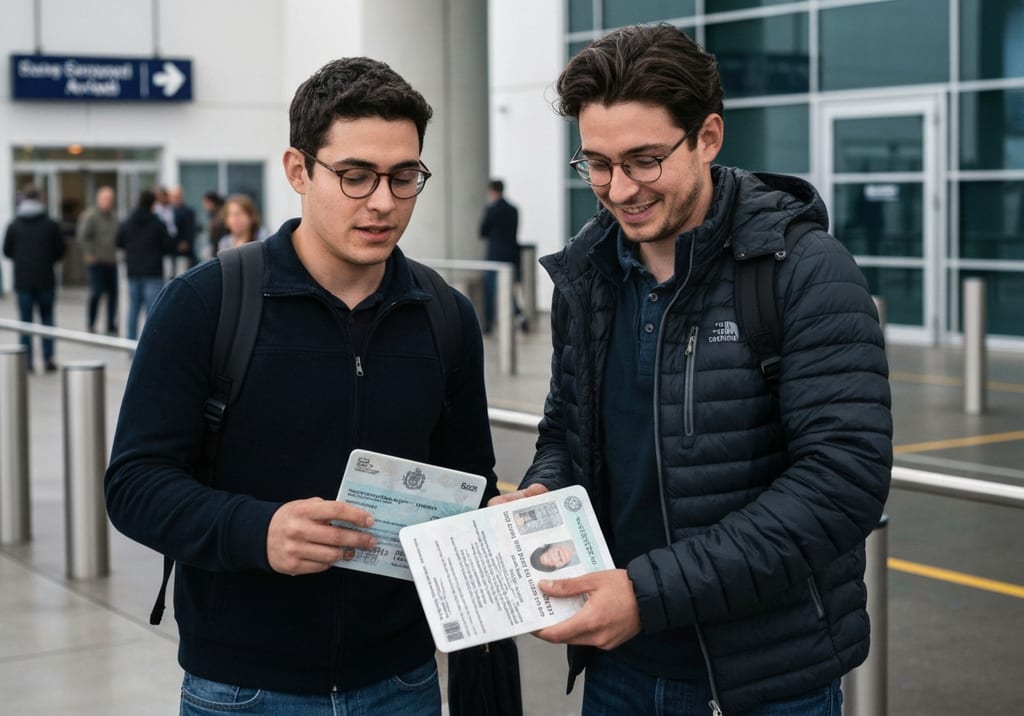
If you want to bring your parents or grandparents to Canada, you have two realistic options in 2026, and they are built for very different goals. You can sponsor them for permanent residence through the Parents and Grandparents Program (PGP), or bring them as long-term visitors on a Super Visa. The catch this year is that only one of them is actually open to new applicants. Here is how the two compare and how to decide between them.
Two tools, two different jobs
The simplest way to keep them straight: the PGP makes your parents permanent residents. The Super Visa lets them visit for a long time. One is immigration; the other is an extended stay. That single difference drives almost everything else — income rules, insurance, timelines, and who each one suits.
The Parents and Grandparents Program: permanent, but paused
The PGP is the permanent route. If you sponsor your parents or grandparents successfully, they become permanent residents of Canada, can access public services, and can eventually apply for citizenship.
Intake has always been the hard part. Instead of a first-come application, IRCC uses an "interest to sponsor" form and then invites a limited number of potential sponsors to apply. It behaves like a lottery, and the odds have long been tight.
On July 15, 2026, IRCC announced it would pause new intake. It will not accept new interest-to-sponsor forms or invite new sponsors to apply until further notice. In practice, no new interest-to-sponsor form has opened since 2020, so most families cannot start a fresh PGP application right now at all.
A few things are still true during the pause:
- Applications already in the system keep moving. IRCC continues to process the roughly 60,500 PGP applications already received, though slowly — around 33 months on average, and up to 66 months in Quebec.
- There is still a 2026 target. Canada plans to admit 15,000 people as permanent residents through the program this year, drawn from that existing pipeline.
- The income bar is high. Sponsors must meet a minimum necessary income set at LICO plus 30%, and usually have to show it for three consecutive tax years.
You can read a fuller walkthrough of the program in our PGP guide, and more on what the pause means for applicants.
The Super Visa: visitor status, open now
The Super Visa is not permanent residence. It is a visitor visa, but a generous one designed specifically for parents and grandparents.
- Long stays. Your parents can stay up to five years at a time, compared with the usual six months for a regular visitor.
- Multiple entries for up to 10 years. In practice this is capped by passport validity.
- It is open. No lottery, no annual cap on new applicants. You apply when you are ready.
The requirements are specific but manageable:
- Host income. You, the child or grandchild in Canada, must meet a minimum income based on the Low Income Cut-Off (LICO) — importantly, the plain LICO figure, not the higher LICO-plus-30% used for PGP sponsorship. Current amounts:
| Family size (including the visiting relatives) | Minimum income (CAD) |
|---|---|
| 2 | $38,002 |
| 3 | $46,720 |
| 4 | $56,724 |
| 5 | $64,336 |
| 6 | $72,560 |
| 7 | $80,784 |
| Each additional person | +$8,224 |
- Medical insurance. Your parent needs at least CAD $100,000 in emergency medical coverage, valid for at least one year, covering health care, hospitalization and repatriation. As of 2026 the policy can come from a Canadian insurer or an OSFI-authorized foreign insurer, and proof is required at each entry.
- An immigration medical exam.
For income, you can show the full LICO amount in either of the last two tax years, or at least 75% in the most recent year if you add the visiting parent's own income (a proof option in effect from March 31, 2026). Our Super Visa requirements guide goes deeper on the insurance rules.
Side by side
| PGP | Super Visa | |
|---|---|---|
| Status | Permanent residence | Long-term visitor |
| Open now? | No — new intake paused | Yes |
| Selected how? | Interest-to-sponsor, invite-based | Apply directly |
| Income test | LICO + 30%, ~3 years | Plain LICO |
| Private insurance | Not required | Mandatory, $100,000+ |
| Path to citizenship | Yes | No |
| Realistic timeline | Years, and closed to new sponsors | Open; apply today |
Can you use the Super Visa now and try for PGP later?
Yes, and for many families that is the sensible plan. Because the Super Visa is visitor status, using it does not use up a PGP "spot" or disqualify you from sponsoring later. If IRCC reopens the interest-to-sponsor form, you can submit then. Meanwhile your parents can already be in Canada for long stretches. If you have an older PGP application still in the queue, keep it — those are the ones still being processed.
One honest caution: the Super Visa is meant for visiting. Your parents should keep genuine ties to their home country, and time spent in Canada as a visitor does not count toward permanent residence or citizenship.
Which should you choose?
Choose the PGP when it reopens if your goal is permanence: you want your parents to live in Canada for good, use public healthcare, and eventually become citizens, and you can meet the higher three-year income test. For now, you can prepare but not apply.
Choose the Super Visa if you want your parents here soon and for long visits, you are comfortable with them keeping status abroad, and you can cover the private insurance and meet the (lower) income requirement. It is the only one of the two open to new applicants today, which is exactly why IRCC names it as the alternative during the pause.
For many families the answer is simply "both": Super Visa now, PGP later. You can explore all the routes to reunite with relatives on our family sponsorship hub.
This is general information, not legal advice — for your situation, consult an authorized immigration representative (an RCIC or a Canadian immigration lawyer).