
Dual Citizenship in Canada: How It Works
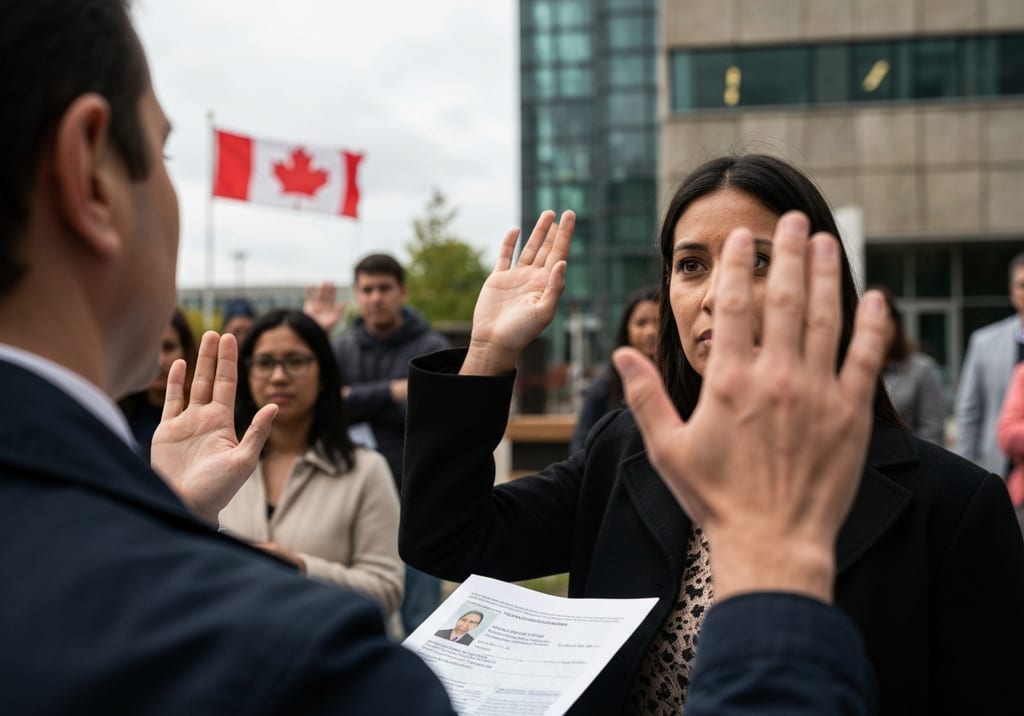
If you're wondering whether you can become a Canadian citizen without giving up the citizenship you already hold, the short answer is yes. Canada is one of the countries that openly allows people to hold more than one citizenship at the same time. This guide walks through what that actually means, who it affects, and the practical things to keep in mind.
What dual citizenship means in Canada
Dual (or multiple) citizenship means you are legally a citizen of Canada and at least one other country at the same time. Canada has permitted this since 1977. You don't apply for "dual citizenship" as a separate status, and there's no special dual-citizen passport or card. You simply become a Canadian citizen while keeping your other nationality, and both countries continue to recognise you as their own.
In Canada's eyes, a dual citizen is a full Canadian citizen with exactly the same rights and responsibilities as anyone else: you can vote, run for office, hold a Canadian passport, and live in Canada indefinitely. Canada does not ask you to renounce another citizenship to naturalise, and it generally won't treat you differently because you hold another one.
There are a small number of practical limits. A handful of sensitive government jobs requiring high-level security clearance may scrutinise other citizenships, and some roles may ask you to renounce another nationality. For the vast majority of people, though, holding two passports has no downside on the Canadian side.
The catch: it depends on your other country, not just Canada
This is the part people miss. Canada allowing dual citizenship doesn't mean your other country does. Each country sets its own rules, and some do not permit their citizens to take on another nationality. In certain cases, naturalising as a Canadian could cause you to automatically lose your original citizenship, or that country may simply not recognise your Canadian status.
Before you apply, check the citizenship laws of your country of origin (its embassy or consulate is the right place to ask). The rules vary widely and change over time, so confirm your specific situation rather than relying on what a friend from the same country experienced years ago.
How you usually end up with two citizenships
Most dual citizens get there one of a few ways:
By naturalising. You immigrate to Canada, become a permanent resident, meet the citizenship requirements, and take the oath while keeping your original citizenship. The core physical-presence rule is that you must have been physically present in Canada for at least 1,095 days (three years) within the five years before you apply. You also need to have filed taxes for the required number of years and meet language and knowledge requirements in the relevant age range.
By birth. A child born in Canada is generally Canadian, and may also inherit a parent's citizenship from another country, making them a dual citizen from day one.
By descent. A child born outside Canada to a Canadian parent may be Canadian by descent while also holding the citizenship of the country they were born in. (Citizenship by descent has specific limits, so check the rules for your family's circumstances.)
You don't need to "choose" between the two at adulthood. Canada does not require dual citizens to pick one when they grow up.
Travel, taxes, and other practical points
A few things are worth planning around:
Entering Canada. Canadian citizens, including dual citizens, are expected to travel to Canada on a valid Canadian passport. Don't rely on your other passport to board a flight to Canada, as airlines and border rules expect citizens to carry Canadian documents.
Your other country's obligations. Holding a second citizenship can come with duties in that country, such as military service or tax filing, regardless of where you live. Look into this before you act.
Consular help abroad. If you run into trouble in a country where you're also a citizen, that country may not let Canadian officials assist you, since it views you as its own national first.
Taxes. Becoming a Canadian citizen doesn't by itself change your tax situation; tax residency is a separate question. If money or assets cross borders, getting professional advice is sensible.
Where to confirm the details
Citizenship rules, eligibility specifics, fees, and processing times all change, and the figures move often. Treat this guide as an orientation, not a final word. For the current requirements, the exact processing fee, up-to-date timelines, and the official application steps, check the official IRCC website. And for whether your country of origin allows you to keep its citizenship, confirm directly with that country's embassy or consulate. Getting both sides right is what makes holding two passports straightforward rather than a surprise.