
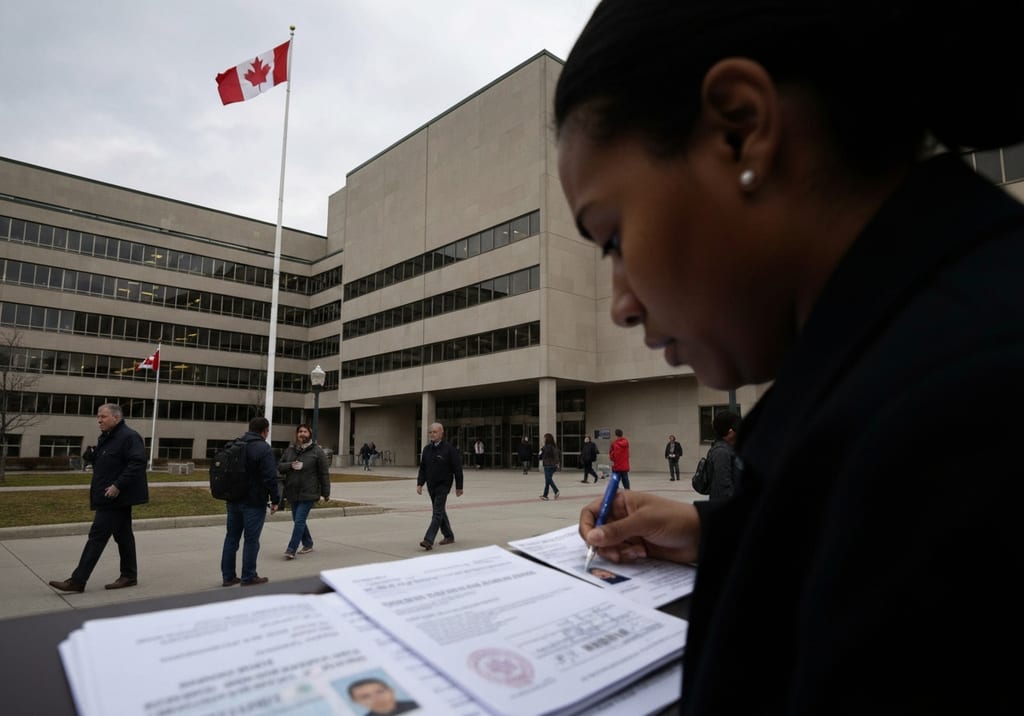
Federal Court Judicial Review of a Visa Refusal, Step by Step
Applicants who have been refused a visa may be able to appeal the decision through a Federal Court judicial review. This process involves a two-stage review: the application for leave and the judicial review hearing if leave is granted. Understanding the steps involved and the costs associated with this process is crucial for those considering a judicial review. The Federal Court's role in reviewing visa refusals is to ensure that the decision-making process was fair and reasonable.
introduction to the federal court judicial review process
The Federal Court of Canada reviews decisions made by the Immigration, Refugees and Citizenship Canada (IRCC) department, including visa refusals. This review is not an appeal in the classical sense, but rather an examination of the decision-making process. Applicants who believe their visa refusal was unjust or that the decision-maker made an error may want to consider a judicial review. For instance, if an applicant feels that their application was not given due consideration, they may seek a judicial review to have the decision reassessed.
step 1: applying for leave
The first step in the judicial review process is to file an application for leave to commence a judicial review. This application must be made within a specific timeframe, which varies depending on whether the applicant is in Canada or outside of Canada. It is essential to note that the filing window is tight, and missing the deadline can result in the application being dismissed. The application for leave involves submitting relevant documents and a written argument outlining why the visa refusal decision was incorrect. A well-structured application is critical, as it sets the stage for the entire judicial review process.
step 2: perfecting the record
If the application for leave is granted, the next step is to perfect the record. This involves gathering and submitting all relevant documents related to the visa application and refusal. These documents can include the original application, supporting documents, and any correspondence with IRCC. The goal of perfecting the record is to provide the Federal Court with a complete and accurate understanding of the case. This step requires meticulous attention to detail, as any omission could potentially impact the outcome of the judicial review.
the leave decision and judicial review hearing
After the record has been perfected, the Federal Court will review the application and make a decision on whether to grant leave. If leave is granted, the case will proceed to a judicial review hearing. At this hearing, a judge will review the decision-making process and determine whether the visa refusal was reasonable and justified. The judge may also consider new evidence or arguments presented by the applicant. This hearing is a critical juncture, as it provides the applicant with an opportunity to present their case and challenge the initial decision.
costs and considerations
Retaining counsel for a judicial review can be costly, with fees ranging from $5,000 to $20,000 or more, depending on the complexity of the case and the experience of the lawyer. Additionally, there may be costs associated with filing the application and perfecting the record. Applicants should carefully consider these costs and their chances of success before proceeding with a judicial review. It is also important to note that the remedy in a judicial review is usually a redetermination of the original decision, rather than an approval of the visa application. In my opinion, the cost can be a significant barrier for many applicants, highlighting the need for careful consideration before embarking on this process.
navigating the canada immigration decision appeal process
For those wondering how to appeal a Canada immigration decision, the first step is to determine whether a judicial review is the appropriate course of action. This may involve consulting with a lawyer or legal expert to discuss the specifics of the case and the potential for success. Applicants can find more information on the judicial review process on the IRCC website or by consulting with a Regulated Canadian Immigration Consultant (RCIC). It's worth noting that the IRCC website provides a wealth of information, including guides and FAQs, that can help applicants navigate the process.
the process for a federal court judicial review of a visa refusal
The process for a Federal Court judicial review of a visa refusal involves several steps, including the application for leave, perfecting the record, and the judicial review hearing if leave is granted. Applicants should be prepared to submit detailed arguments and evidence in support of their case and to respond to any questions or concerns raised by the court. This process can be daunting, but understanding each step can help applicants feel more in control of their appeal.
canada immigration appeal processing time
The processing time for a Canada immigration appeal can vary significantly depending on the complexity of the case and the workload of the Federal Court. Applicants should be prepared for a potentially lengthy process, which can take several months or even years to resolve. For example, some cases may be resolved within six months, while others may take up to two years or more. This variability underscores the importance of seeking professional advice and being prepared for a long and sometimes unpredictable process.
canada visa appeal
A Canada visa appeal involves a formal review of the decision-making process to ensure that it was fair and reasonable. This can include a review of the original application, supporting documents, and any correspondence with IRCC. Applicants should carefully consider their options and seek professional advice before proceeding with an appeal. In many cases, a well-prepared appeal can make a significant difference in the outcome, highlighting the value of meticulous preparation and professional guidance.
Official current rules are at canada.ca/immigration; this guide is independent reference content. This article is for general information purposes only and is not intended to provide legal advice. For specific guidance, please consult the official government website or a qualified legal professional.