
Medical Inadmissibility and Excessive Demand in Canada
Medical inadmissibility is a key part of the Canadian immigration process, assessing an individual's health and its potential impact on the healthcare system. This process is closely tied to the concept of excessive demand, which considers the potential cost of an individual's medical treatment in Canada. In this article, we will explore medical inadmissibility, excessive demand, and the immigration medical exam process.
what is medical inadmissibility
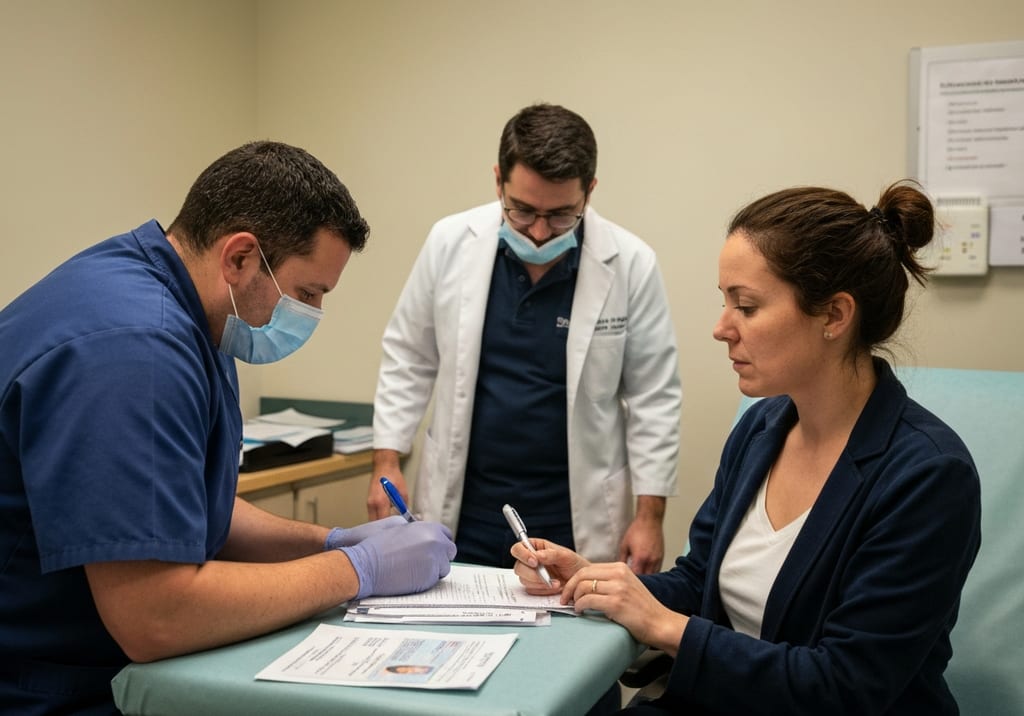
The Immigration, Refugees and Citizenship Canada (IRCC) determines medical inadmissibility by evaluating an individual's health to ensure it does not pose a risk to public health or safety, or cause a significant burden on the Canadian healthcare system. This evaluation typically involves an immigration medical exam, a required step for most permanent residence applications. The exam is conducted by a designated medical practitioner and includes a physical examination, medical history review, and diagnostic tests.
excessive demand
Excessive demand refers to the potential cost of an individual's medical treatment in Canada. If an individual's medical condition is likely to require significant medical treatment, they may be deemed inadmissible. The IRCC considers various factors, including the cost of treatment and the likelihood of requiring treatment. For instance, an individual with a condition requiring ongoing medical care may be considered a potential excessive demand on the healthcare system. You can find more information on the immigration medical exam process on the IRCC website.
the immigration medical exam process
The immigration medical exam process involves a medical evaluation by a designated medical practitioner. The exam includes a physical examination, medical history review, and diagnostic tests, such as blood tests and chest X-rays. The results are then submitted to the IRCC for assessment. To find a designated medical practitioner, you can refer to our article on The Immigration Medical Exam: Panel Physicians and What to Expect, which provides guidance on the process.
how excessive demand affects immigration applications
Excessive demand can have a significant impact on an individual's immigration application. If an individual is deemed inadmissible due to excessive demand, their application may be refused. However, some individuals may be eligible for alternative immigration programs, such as the Provincial Nominee Program, which consider medical inadmissibility. You can find more information on these programs on our pages on Express Entry, Work Permit, and Study Permit. It's worth noting that understanding the nuances of excessive demand can help applicants navigate the immigration process more effectively.
navigating the immigration process
Medical inadmissibility and excessive demand are complex concepts that play a critical role in the Canadian immigration process. By understanding these concepts, applicants can better navigate the process and increase their chances of a successful application. For more information on immigration medical exams and related topics, you can refer to our articles on Biometrics for Canadian Immigration and IRCC Biometrics. Additionally, applicants can visit the Family Sponsorship page for information on sponsoring family members. Official current rules are at canada.ca/immigration; this guide is independent reference content. *This article is not a substitute for the official government website, canada.ca.