
Biometrics for Canadian Immigration: What They Are and How to Give Them
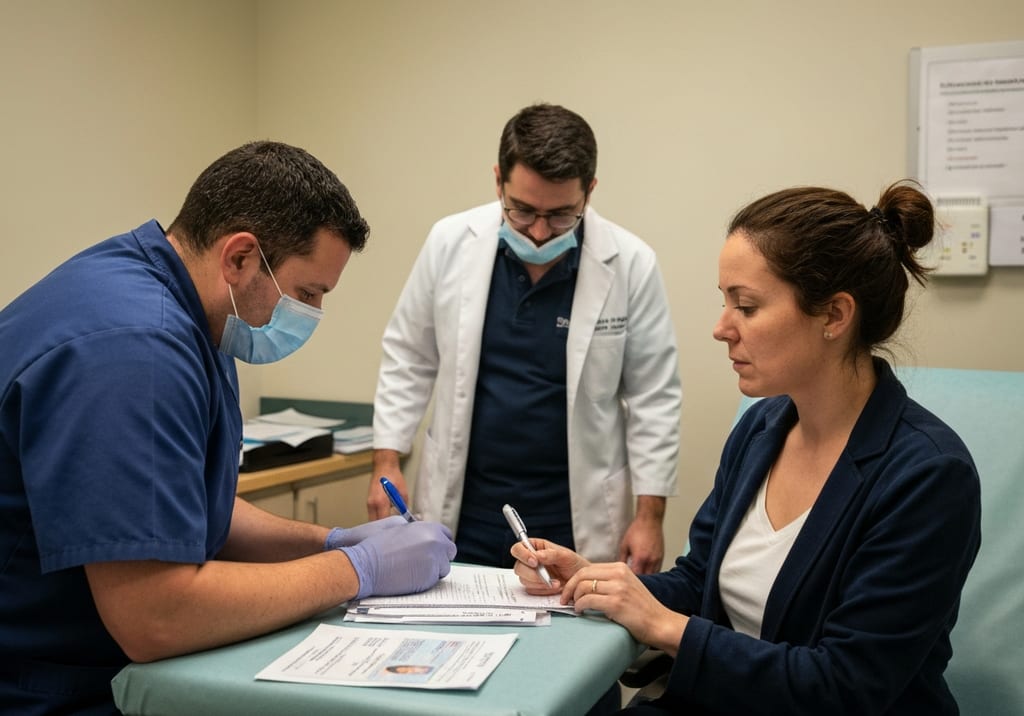
If you're applying for a Canadian visa, study permit, work permit, or permanent residence, you'll probably be asked to give your biometrics. It sounds more dramatic than it is. In practice it's a short appointment where someone scans your fingerprints and takes a photo. Here's what biometrics actually are, who needs to give them, and exactly how the process works from start to finish.
What biometrics are and why Canada collects them
Biometrics, in this context, means two things: a digital scan of all ten of your fingerprints and a digital photograph of your face. That's it. There's no blood test, no DNA, nothing invasive.
Immigration, Refugees and Citizenship Canada (IRCC) uses biometrics to confirm you are who you say you are and to check your fingerprints against immigration and law-enforcement records. Because fingerprints are unique and hard to fake, they help prevent someone from using a false identity or applying under several different names. They also make it harder for someone to steal your identity later in the process.
Once you've given your biometrics, they're generally valid for a set number of years for many temporary-residence applications, which means you may not have to repeat the process every single time you apply during that window. The validity period and the rules around reuse can change, so check your specific situation on the official IRCC website rather than assuming your old biometrics still count.
Who needs to give biometrics (and who's exempt)
Most people applying to come to Canada need to give biometrics, including applicants for visitor visas, study permits, work permits, permanent residence, and asylum or refugee claims. There are exemptions, though, and they matter.
Common exemptions include:
- Canadian citizens, existing permanent residents, and people applying for citizenship.
- Children under a certain age and applicants over a certain age (the exact age cut-offs are set by IRCC, so confirm the current ones).
- U.S. nationals applying for temporary residence, though they still give biometrics for permanent-residence applications.
- People who have already given valid biometrics that are still within their validity period for the type of application they're making.
Whether you need to give biometrics, and whether you do it before or after submitting your application, depends on your nationality and the program you're applying under. The application system or your portal account will tell you. When in doubt, follow what your official application instructions say rather than relying on a friend's experience, because the rules differ by category.
How the process works, step by step
The flow is fairly consistent once you know the order:
Submit your application and pay the fees. A separate biometrics fee usually applies on top of your application fee. The amount changes over time, so look up the current figure on the official IRCC website. There's typically a set maximum for a family applying together at the same time.
Wait for your Biometric Instruction Letter (BIL). After you pay, IRCC sends this letter, usually within a few days. You cannot give biometrics without it. The letter is your proof that you're required to attend and that the fee is paid.
Book or attend your appointment. Where you go depends on where you are. Inside Canada, biometrics are usually collected at designated Service Canada locations by appointment. Outside Canada, you'll go to a Visa Application Centre (VAC). At a port of entry, some applicants give biometrics on arrival.
Give your biometrics in person. Bring your Biometric Instruction Letter and the passport or travel document you used in your application. The appointment itself is quick: your fingerprints are scanned on a glass surface and a photo is taken. The whole thing often takes only a few minutes once you're seen.
You're normally expected to provide your biometrics within a defined window after receiving your letter, so don't sit on it. Booking early also helps if appointment slots at your nearest location are limited.
Practical tips and common mistakes to avoid
A few things trip people up. Make sure the name and details on your booking match your application and your passport exactly. Bring the actual printed or digital Biometric Instruction Letter, not just a screenshot of a confirmation email, and bring the same passport you listed in your application.
If your fingertips are damaged, for example from a recent cut, henna, or heavy manual work, it's still worth attending; the staff handle these situations regularly and will guide you. Don't skip the appointment because you're worried a scan won't be perfect.
Watch out for scams. You give biometrics at official locations only, and the staff there don't decide your application. Anyone promising to "guarantee" approval in exchange for handling your biometrics is not legitimate.
Finally, giving biometrics is not the same as having your application approved. It's an identity step, not a decision. After your biometrics are collected, your application continues through processing as normal. For the current fees, validity periods, age exemptions, and collection locations, always confirm the details on the official IRCC website, since those specifics are updated from time to time.