
Millions of Americans have two independence days this year. Most don’t know it
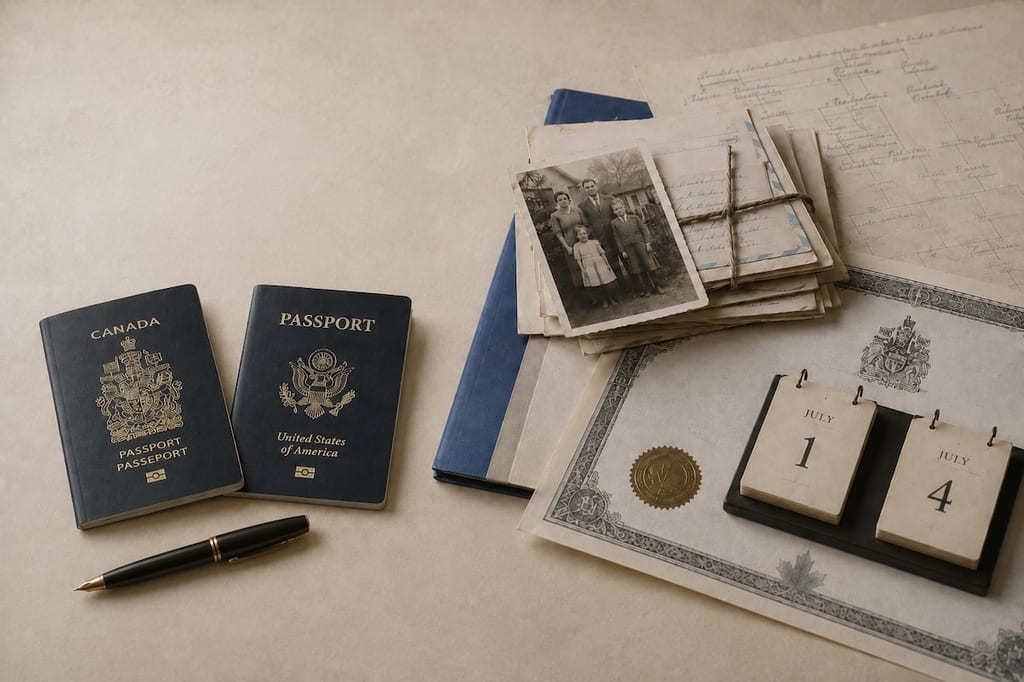
Canada Day is celebrated on July 1, while the United States marks its Independence Day on July 4. This year, a significant legal change means that millions of Americans may unknowingly be Canadian citizens due to recent amendments in Canada's citizenship laws. The new regulations, enacted with the passing of Bill C-3 in December 2025, allow for citizenship by descent to be traced back multiple generations, a shift from the previous rule that capped this right at one generation born outside Canada.
The implications of this change are profound. Under the old law, individuals born outside Canada could only inherit citizenship if their parent was Canadian. Now, those born before December 15, 2025, can claim Canadian citizenship if they can trace an unbroken lineage back to a Canadian ancestor, regardless of how many generations have passed. This change opens the door for many Americans, particularly those with Canadian ancestry, to obtain proof of citizenship, which entitles them to a Canadian passport and all associated rights.
To qualify, applicants must demonstrate a direct line of descent from a Canadian ancestor. This ancestor does not need to have lived in Canada as an adult or held a Canadian passport. The process for obtaining proof of citizenship has been streamlined, eliminating the typical requirements such as language tests, residency obligations, and citizenship exams. For example, actress Chloë Sevigny, who has a great-great-great-grandfather born in Quebec, exemplifies how far back one can trace their lineage to claim citizenship. The historical migration of French-speaking Canadians to the United States, particularly from Quebec to New England between 1840 and 1930, has left many Americans with deep-rooted connections to Canada.
"Under the new law, he's enough to make Sevigny a Canadian," a representative from Immigration, Refugees and Citizenship Canada stated, highlighting the broad impact of this legislative change. This newfound citizenship status not only applies to individuals like Sevigny but also extends to their siblings, cousins, and children, as they share the same qualifying ancestor.
Despite the potential benefits, many eligible Americans remain unaware of their citizenship status. Historical records indicate a significant increase in interest, with Quebec's archives reporting a 3,000% rise in requests for old records from Americans over the past year. However, many still do not pursue citizenship, often due to a lack of awareness rather than the complexity of the application process.
For those who believe they may be eligible, the next step is to investigate their family history to identify any Canadian ancestors. Applicants should check their IRCC online account for updates and guidance on how to apply for proof of citizenship. This could be a pivotal moment for many Americans, allowing them to embrace a dual identity and the rights that come with Canadian citizenship.