
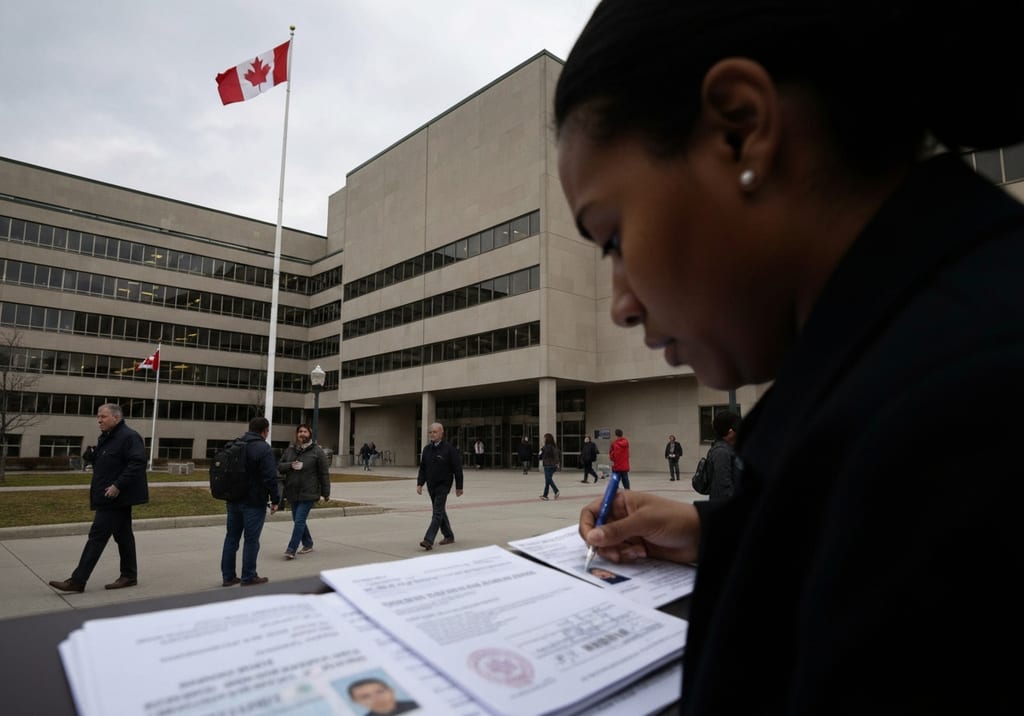
Study Permit Refusal: Rewriting Your Statement of Purpose
Applicants who have been refused a study permit in Canada face a challenging task: rewriting their statement of purpose to address the immigration officer's concerns. A well-written statement of purpose is essential for demonstrating an applicant's eligibility for a study permit. This article explores common reasons for study permit refusal and provides tips on rewriting a statement of purpose to increase the chances of a successful reapplication.
understanding the reasons for study permit refusal
To rewrite a statement of purpose, it's essential to understand the reasons for the initial refusal. The most common reasons include a weak study plan, insufficient proof of funds, and unclear ties to the applicant's home country. Applicants can find the specific reasons for their refusal in the refusal letter provided by the immigration officer. For instance, a refusal letter may state that the applicant's study plan lacks clarity or that their proof of funds is insufficient.
rewriting your statement of purpose
A statement of purpose outlines an applicant's reasons for studying in Canada, their academic background, and their career goals. To rewrite it, applicants should start by addressing the immigration officer's concerns. This involves providing a clear explanation of their academic background and career goals, demonstrating a strong understanding of the program they're applying to, and showing a clear plan for their studies in Canada. A detailed course schedule and a plan for completing their program are also crucial.
Applicants should provide a clear and concise explanation of their academic background and career goals. They should also demonstrate a strong understanding of the program they're applying to and how it aligns with their career goals. Showing a clear plan for their studies in Canada, including a detailed course schedule and a plan for completing their program, is also essential.
addressing concerns and creating a strong study plan
Two common concerns raised by immigration officers are 'purpose of visit' and 'study plan not reasonable'. Applicants should clearly explain their purpose for visiting Canada, including their academic goals and career aspirations. They should also demonstrate a reasonable study plan, including a detailed course schedule and a plan for completing their program. For example, an applicant may explain how their program of choice aligns with their career goals and provide a detailed course schedule to demonstrate their commitment to their studies.
demonstrating ties to your home country and a financial narrative
Applicants must demonstrate strong ties to their home country and a clear financial narrative. This can be done by providing documentation that shows their ties to their home country, such as a job offer, family ties, or property ownership. They should also demonstrate a clear financial plan, including proof of sufficient funds to support themselves during their studies. Showing that they have a clear plan for returning to their home country after completing their studies is also important. Applicants can provide documentation, such as a letter from their employer or a statement from their bank, to demonstrate their financial stability.
reapplying versus pursuing judicial review
After a study permit refusal, applicants have two options: reapplying or pursuing judicial review. Reapplying involves submitting a new application with a revised statement of purpose and supporting documents. Pursuing judicial review involves challenging the decision of the immigration officer in court. Applicants should carefully consider their options and seek the advice of an immigration lawyer before making a decision. It's essential to weigh the pros and cons of each option and consider the potential outcomes.
For more information on study permits and immigration appeals, visit IRCC. Official current rules are at canada.ca/immigration; this guide is independent reference content. *This article is not a substitute for the official government website, canada.ca.