
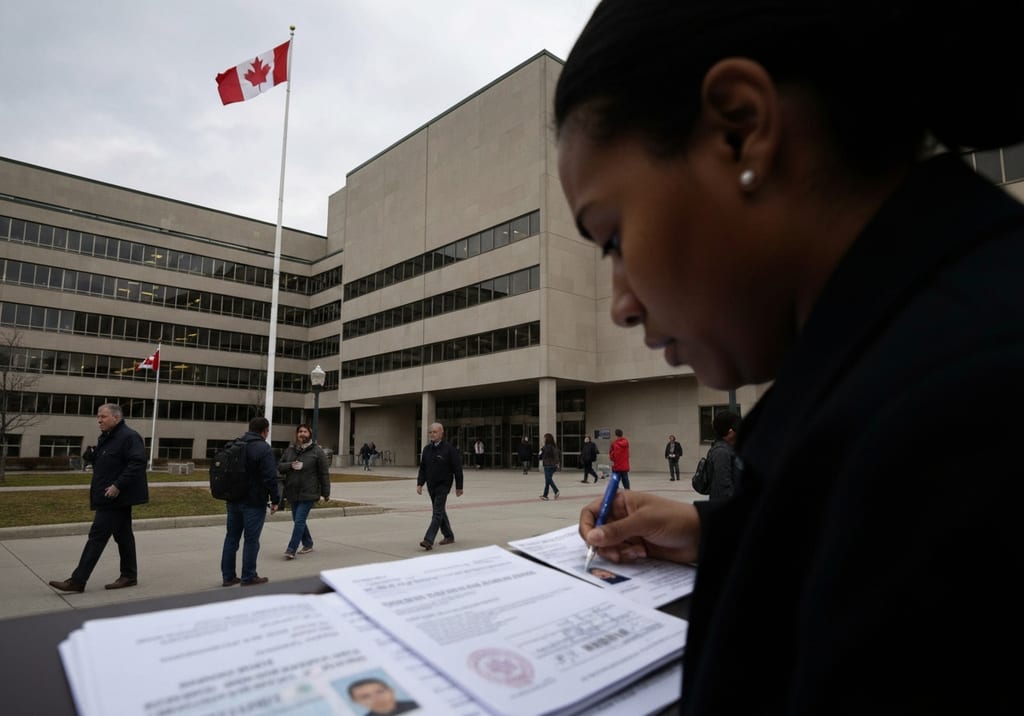
Super visa refusals: understanding the process and options
Applicants for a super visa to Canada may face refusals due to various reasons. To improve the chances of a successful outcome, it's helpful to understand these reasons and know how to reapply or appeal. The super visa is a popular option for parents and grandparents of Canadian citizens or permanent residents, allowing them to visit their family in Canada for up to two years.
introduction to the super visa application process
A super visa refusal can be disappointing, especially for those who have been looking forward to spending time with their loved ones in Canada. However, a refusal is not the end of the process. Applicants can reapply or appeal the decision, and in some cases, a refused application can provide valuable insights into what went wrong and how to improve the next application. For instance, a refused application may highlight the need for additional documentation or clarification on certain aspects of the application.
reasons for super visa refusals
The most common reasons for super visa refusals include medical insurance not meeting the minimum requirements, sponsor income below the threshold, and dual-intent or ties doubts. These reasons can be addressed by providing additional documentation or clarifying information in the reapplication. It's essential to carefully review the refusal letter and understand the specific reasons for the refusal.
When reapplying, it's crucial to address the reasons for the initial refusal and provide additional information to support the application. This may involve providing proof of medical insurance that meets the minimum requirements or submitting updated financial documents to demonstrate the sponsor's income. Clarifying ties to the home country or providing additional information to address dual-intent concerns may also be necessary.
reapplying for a super visa
Reapplying for a super visa after a refusal involves submitting a new application with updated documentation. Applicants can consider seeking the advice of a Regulated Canadian Immigration Consultant (RCIC) or a licensed Canadian lawyer to ensure their application is complete and accurate. This can be particularly helpful in understanding the specific requirements and ensuring that all necessary documentation is included.
appealing a super visa refusal
In some cases, applicants may choose to appeal a super visa refusal instead of reapplying. The appeal process involves submitting a formal appeal to the Immigration Appeal Division (IAD), which will review the decision and determine whether it was reasonable. The appeal process can be complex, and it's recommended that applicants seek professional advice to ensure the best possible outcome. For example, an applicant may need to provide additional evidence or clarify certain aspects of their application during the appeal process.
next steps after a super visa refusal
After a super visa refusal, applicants have two main options: reapply or appeal. Reapplying involves submitting a new application, while appealing involves challenging the decision through the IAD. In some cases, applicants may also consider applying for a regular visitor visa as an alternative. It's essential to carefully consider the options and choose the best course of action based on individual circumstances. Applicants should also be aware of the official IRCC website and the resources available to them.
Official current rules are at canada.ca/immigration; this guide is independent reference content. Information provided is subject to change and may not be up to date; for the most current information, please visit canada.ca