
Why baptismal records and parish registers matter for older Quebec citizenship by descent claims
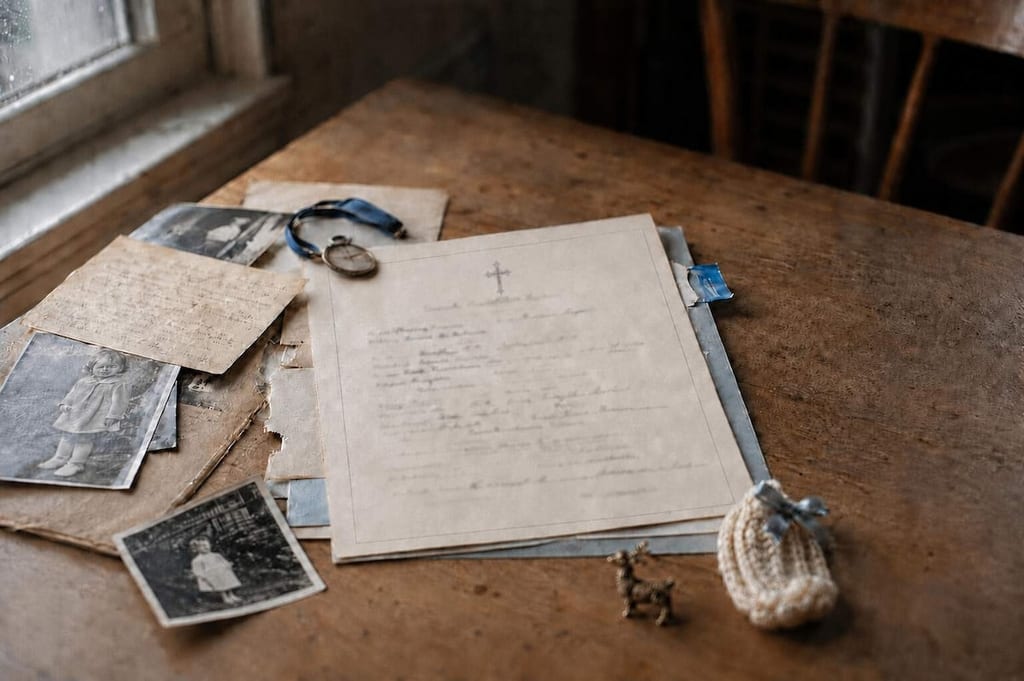
Applicants for Canadian citizenship by descent through a Quebec ancestor often face a challenging and time-consuming process of collecting necessary documents. For those tracing their citizenship through older Quebec ancestry, church records, particularly baptismal records and parish registers, have become essential documents in the application file.
The significance of church records in Quebec ancestry stems from the province's historical practice of recording births, marriages, and deaths through parish or religious registers before centralizing civil-status registration in 1994. Prior to this date, parish registers functioned as a form of registry, making them a crucial source of information for generations. The Directeur de l’état civil (DEC) became Quebec's centralized civil-status registrar in 1994, but for events before this date, church records may be the only available documentation.
A baptismal record is a religious document created by a church at the time of a child's baptism, typically listing the baptism date, parish, officiating priest, and names of parents and godparents. These records can also include the date of birth, although not always. Immigration, Refugees and Citizenship Canada (IRCC) accepts baptismal records as supporting documentation for proof of citizenship applications if the baptism occurred within a reasonable time of the birth.
As "Immigration, Refugees and Citizenship Canada" prefers a full colour copy of an act for proof of Canadian citizenship applications, applicants may need to request documents from the DEC or, for older records, the Bibliothèque et Archives nationales du Québec (BAnQ). The DEC can issue a certificate or a copy of an act, but access is limited to protect privacy, and applicants must demonstrate a valid reason for needing the document.
Applicants tracing their citizenship through a Quebec ancestor will need to obtain baptismal records and other supporting documents, such as a current copy of a birth certificate issued by the DEC. If the DEC does not have the required records, applicants may need to contact BAnQ for older records or check with parishes, dioceses, or other archives. For example, if BAnQ or the DEC cannot locate a baptismal record, the applicant may need to obtain a no-record letter or a letter from the Quebec archives explaining their policy on birth certificates over 100 years old.
This change in documentation requirements affects applicants with Quebec ancestry, particularly those whose ancestors were born or married before 1994. Individuals from countries with historical ties to Quebec, such as France or Ireland, may also be impacted if they are tracing their citizenship through a Quebec ancestor.
To proceed with their application, applicants should first determine which documents they need to obtain and from which authority. They can start by requesting a certificate or copy of an act from the DEC or BAnQ, depending on the age of the records, and then gather any additional supporting documents required, such as baptismal records or no-record letters. For more information on the application process and required documents, applicants can visit the official IRCC website to review the eligibility criteria and application procedures.
Original reporting: CIC News