
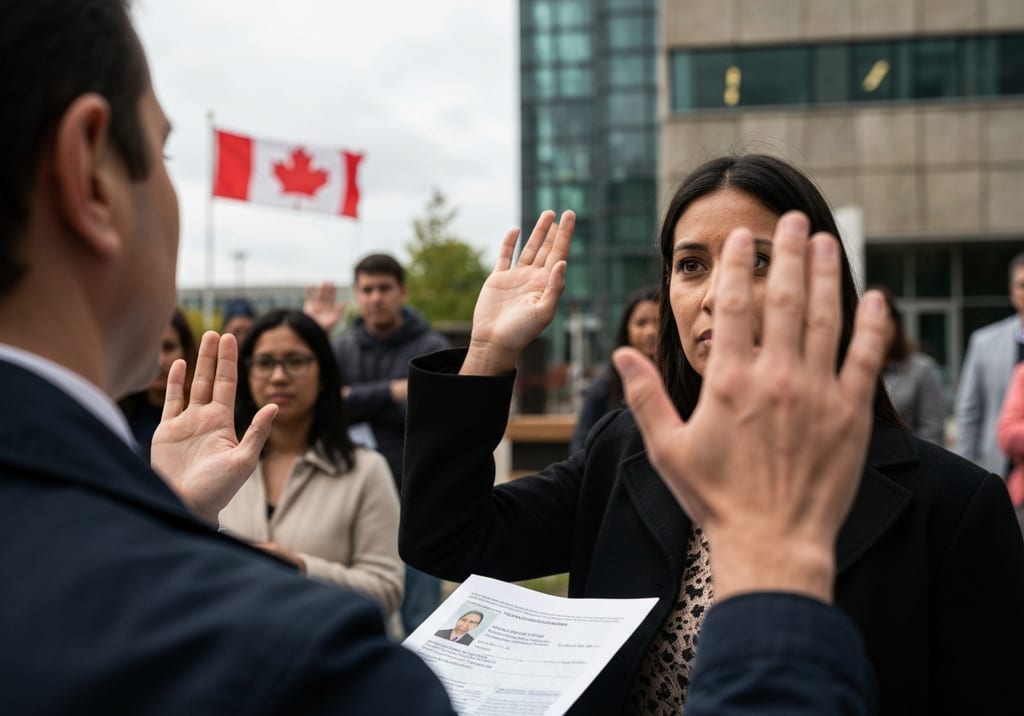
Applying for Citizenship with Lots of Time Abroad
Applying for Canadian citizenship can be a complicated process, especially for individuals who travel heavily for work or family. One of the key requirements for Canadian citizenship is physical presence in Canada for a certain period of time. In this article, we will explore how travel affects your physical presence, how to reconstruct your travel history, and tips for building a buffer above the minimum physical presence requirement.
how travel affects physical presence
When applying for Canadian citizenship, you must have been physically present in Canada for at least 1,095 days out of the 5 years preceding your application. Time spent traveling outside of Canada reduces your physical presence total. To avoid issues with your application, it's crucial to keep track of your travel dates and calculate your physical presence accurately. For instance, a single mistake in calculating physical presence can lead to a residence questionnaire or even a review of your application.
reconstructing your travel history
Reconstructing your travel history can be challenging, especially if you have traveled extensively. Keeping a travel journal or log to record your trips is a good starting point. You should also save your flight itineraries, hotel receipts, and other travel documents. Using a calendar or planner to mark your travel dates can help you stay organized. Some people find it helpful to use a travel app or website to track their trips.
building a buffer above the minimum physical presence requirement
While the minimum physical presence requirement is 1,095 days, exceeding this minimum can provide a safety net in case of discrepancies in your travel history. This is particularly important if you have traveled extensively or have gaps in your travel history. By building a buffer, you can ensure that you meet the physical presence requirement even if there are issues with your travel history. For example, if you have a complex travel history with multiple entries and exits, it's a good idea to aim for a higher number of days to account for any potential errors.
common issues with physical presence calculations
Inaccurate or incomplete travel history is a common issue with physical presence calculations. This can lead to a residence questionnaire or even a review of your application. To avoid these issues, it's essential to keep accurate records of your travel dates and calculate your physical presence carefully. Double-checking your calculations and ensuring that your travel history is complete can save you a lot of trouble in the long run.
documents that corroborate presence
When applying for Canadian citizenship, you will need to provide documents that corroborate your physical presence in Canada. These can include passport stamps, flight itineraries, hotel receipts, rental agreements, utility bills, and employment records. Gathering these documents and keeping them organized is crucial to ensure that you can provide them as part of your application. It's also a good idea to make digital copies of these documents and store them in a secure location.
For more information on Canadian citizenship, visit the IRCC website or check out our other articles on Canadian citizenship and Express Entry. Official current rules are at canada.ca/immigration; this guide is independent reference content.