
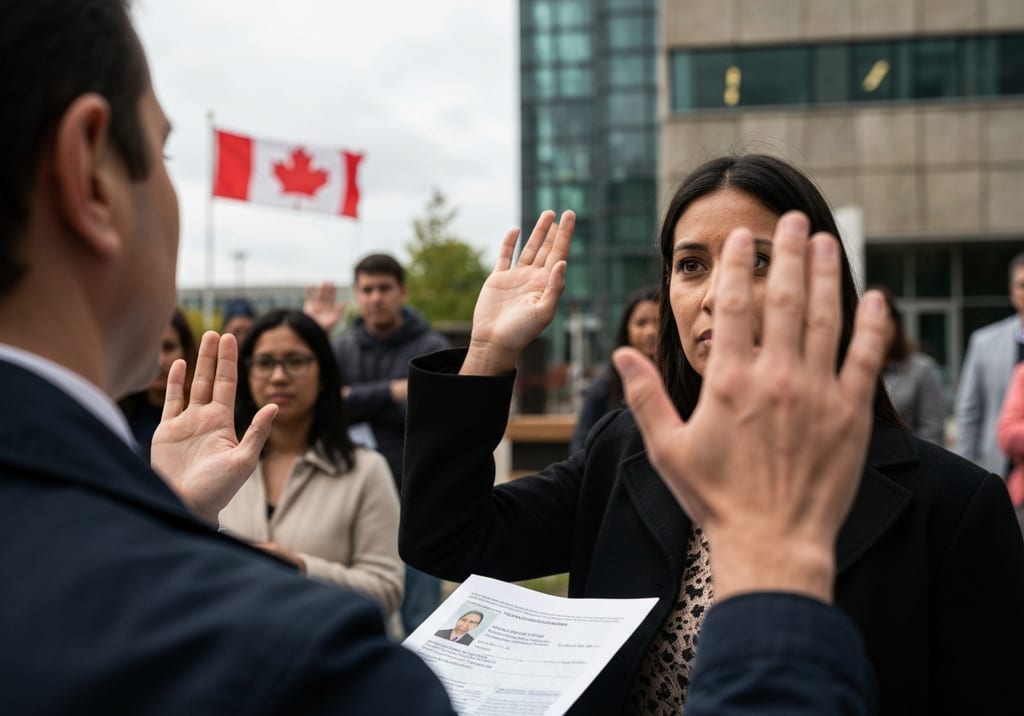
Bill C-3: Restored Canadian Citizenship by Descent for Most Born Abroad
TL;DR — In December 2023, the Ontario Superior Court of Justice struck down the 2009 first-generation limit to Canadian citizenship by descent in Bjorkquist et al v Canada. The Government chose not to appeal. Bill C-3 (the Act to amend the Citizenship Act, 2025) replaced the first-generation limit with a substantial-connection test. As a result, most descendants of Canadians born abroad — even past the second generation — automatically had their citizenship restored or were able to apply for proof of citizenship.
Background: the 2009 first-generation limit
In 2009, Parliament amended the Citizenship Act to limit citizenship by descent to the first generation born outside Canada. Under that rule:
- A child born abroad to a Canadian-citizen parent who was also born abroad (the second generation) did not automatically receive Canadian citizenship.
- Such children were known as "Lost Canadians" — they had Canadian heritage but no automatic claim to Canadian citizenship.
- They had to apply for permanent residence and naturalize like any other foreign national, or apply under the limited "Lost Canadian" provisions.
The 2009 amendment was enacted in part to address concerns about citizenship-of-convenience and the obligations of Canadian citizens to maintain a meaningful connection to Canada.
The Citizenship Act had previously provided multi-generational descent.
Bjorkquist decision (December 2023)
The Ontario Superior Court of Justice ruled in Bjorkquist et al v Attorney General of Canada that the first-generation limit was unconstitutional, violating the Charter of Rights and Freedoms — specifically the equality rights under section 15 (discrimination based on family lineage) and the mobility rights under section 6.
The court suspended its declaration of invalidity for 6 months to give Parliament time to respond.
Government's response — no appeal
In January 2024, the Government announced it would not appeal the Bjorkquist decision. Instead, the Minister of Immigration, Refugees and Citizenship committed to introducing legislation to address the constitutional defect.
Bill C-3 — restoration with a substantial-connection test
Bill C-3 (the Act to amend the Citizenship Act, 2025) replaced the first-generation limit with a more permissive rule grounded in a substantial-connection test:
- Children born abroad to a Canadian-citizen parent who was also born abroad now have automatic Canadian citizenship by descent — provided the Canadian-citizen parent meets the substantial-connection test.
- The substantial-connection test requires the parent to have spent a meaningful amount of time physically in Canada (specifics defined in the Act).
- For children already born before the Act came into force, citizenship is restored retroactively.
- The amendment removed the Lost Canadian designation for most affected individuals.
Bill C-3 also clarified the citizenship rules for adopted children, descendants of Canadians who served abroad, and certain descendants of Canadian Indigenous peoples.
Who benefits
Bill C-3 benefits several categories of people:
- Lost Canadians born after 2009 abroad — automatic restoration if their Canadian-citizen parent meets the substantial-connection test.
- Adults previously denied citizenship under the 2009 rule — eligible to apply for proof of citizenship.
- Descendants of multi-generational Canadians abroad — restored if the qualifying parent demonstrates a substantial connection.
- Adopted children of Canadian citizens abroad — clarified citizenship under the new framework.
- Stateless persons with Canadian heritage — pathway to citizenship.
How to apply for proof of citizenship
Individuals who believe they are now Canadian citizens under Bill C-3 should apply for proof of citizenship (a citizenship certificate). The process:
- Determine eligibility — assess whether the qualifying Canadian-citizen parent meets the substantial-connection test.
- Gather documents — birth certificates, parents' citizenship evidence, evidence of the parent's substantial connection (school records, work records, residence in Canada).
- Submit form CIT 0001 (Application for a Citizenship Certificate) to IRCC.
- Pay the application fee (approximately CAD $75).
- Wait for processing (current service standard varies; check canada.ca).
If approved, IRCC issues a Canadian citizenship certificate. The applicant is then a Canadian citizen and can apply for a Canadian passport.
Context and significance
Bill C-3 is a significant departure from the 2009 framework. It signals:
- Recognition of Canadian heritage abroad — the substantial-connection test allows citizenship by descent provided the parent maintained meaningful ties to Canada.
- Constitutional alignment — the new rule responds to Charter concerns about discrimination based on lineage.
- Increased operational complexity — IRCC must now adjudicate substantial-connection determinations on a case-by-case basis.
- Restoration for many — tens of thousands of individuals previously denied citizenship under the 2009 rule are now potentially Canadian citizens.
Other Bill C-3 provisions
Bill C-3 also addressed:
- Adoptive parents who were citizens by descent.
- Children of Canadian government employees serving abroad.
- Descendants of Canadian Indigenous peoples — clarifying citizenship for some Indigenous descendants who had been excluded under earlier rules.
- Statelessness mitigation — ensuring children of Canadian citizens abroad are not rendered stateless.
Practical considerations
Individuals affected by Bill C-3 should:
- Gather evidence of their Canadian parent's substantial connection (school, work, tax records in Canada).
- Apply for proof of citizenship rather than assuming automatic recognition — IRCC needs to issue the certificate.
- Consider tax implications: Canadian citizens may have Canadian tax filing obligations even when living abroad if they meet residency tests.
- Recognize dual citizenship is permitted — Canada does not require renunciation of other citizenships, but other countries may have different rules.
Key facts at a glance
- Effective: 2025 (Bill C-3 came into force; specific date confirmed in regulations).
- Replaces: 2009 first-generation limit to citizenship by descent.
- Test: substantial-connection test for Canadian-citizen parent.
- Beneficiaries: descendants of Canadians born abroad past the second generation.
- Application: proof of citizenship (CIT 0001), fee CAD $75.
- Constitutional basis: response to Bjorkquist v Canada (Ontario Superior Court, December 2023).
- Adopted children: clarified.
- Indigenous descent: clarified.
Source attribution
This article rewrites public information published by Immigration, Refugees and Citizenship Canada at https://www.canada.ca/en/immigration-refugees-citizenship/news/2024/01/canada-will-not-appeal-decision-that-strikes-down-first-generation-limit-to-canadian-citizenship-by-descent.html. The original Government of Canada content is licensed under the Open Government Licence — Canada.
Verify on canada.ca
For current rules under Bill C-3 and the substantial-connection test, check canada.ca: https://www.canada.ca/en/immigration-refugees-citizenship/services/canadian-citizenship.html.
IRCC.com is an independent news and information aggregator. We are not affiliated with the Government of Canada and do not provide immigration services or advice. For personalized help, contact a CICC-licensed RCIC or a Canadian immigration lawyer.