
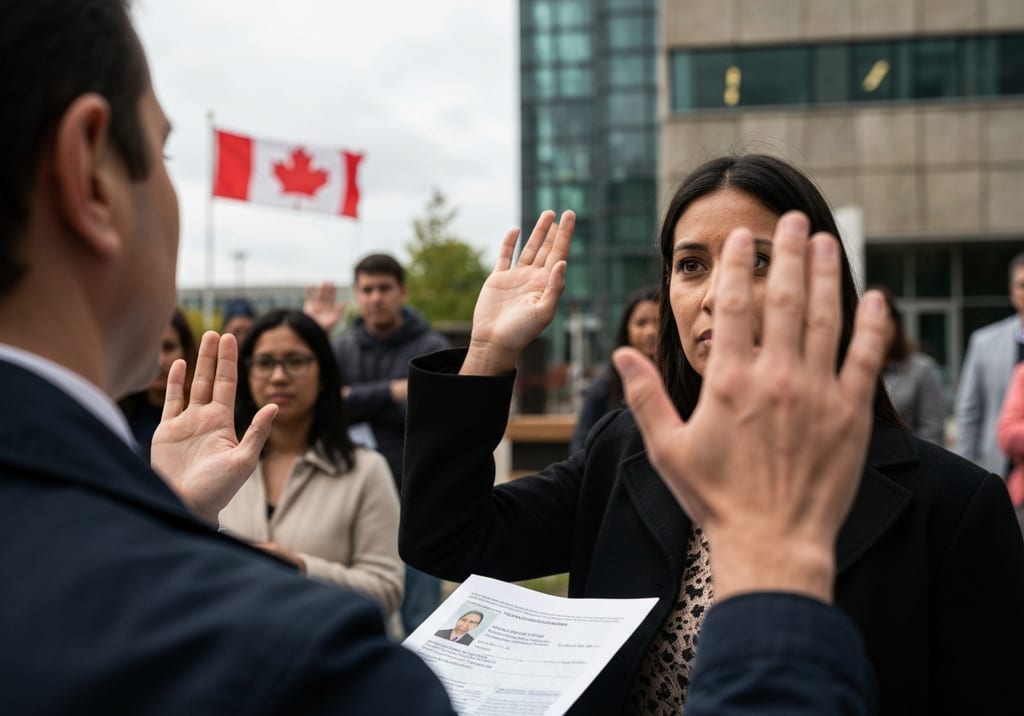
Canadian citizenship by descent 2026: second-generation rules
Applicants seeking Canadian citizenship through descent often face a complex process, particularly when it comes to the rules surrounding second-generation citizenship. This guide clarifies the eligibility requirements and application process for Canadian citizenship by descent, with a focus on the rights of second-generation applicants.
introduction to canadian citizenship by descent
Canadian citizenship by descent allows individuals who are not born in Canada to become citizens if they have a Canadian parent or, in some cases, a Canadian grandparent. This provision maintains family ties and recognizes the heritage of individuals with Canadian roots. The specifics of who qualifies and how to apply can be confusing, so it's essential to understand the details.
To qualify, an individual must have a parent who was a Canadian citizen at the time of their birth. In cases where the parent was born outside Canada to a Canadian parent, the eligibility can extend to the grandchildren under certain conditions. For example, Bill C-3 has clarified and expanded the rights of individuals to claim citizenship by descent, especially for those who might have been previously excluded due to outdated laws.
eligibility requirements for canadian citizenship by descent
The eligibility requirements for Canadian citizenship by descent are based on having a Canadian parent or, under specific conditions, a Canadian grandparent. Applicants must also meet other criteria, such as being at least 18 years old, not being prohibited from applying due to criminal or security reasons, and in some cases, meeting residency or physical presence requirements if they are applying as permanent residents. It's worth noting that the application process can be lengthy, and having all the necessary documents in order can significantly speed up the process.
how to apply for canadian citizenship by descent
The application process involves several steps, including gathering necessary documents, filling out the application form, and submitting it to Immigration, Refugees and Citizenship Canada (IRCC). Applicants must provide proof of their parent's or grandparent's Canadian citizenship, which can be in the form of a birth certificate, citizenship certificate, or other documentation. The process also includes paying the required fees and, in some cases, passing a citizenship test or meeting language requirements. I've found that having a clear understanding of the required documents and fees can make the application process much less daunting.
can i get canadian citizenship through my grandparent
In certain circumstances, individuals can obtain Canadian citizenship through a grandparent. This typically applies if the grandparent was a Canadian citizen and the parent did not pass on their Canadian citizenship due to specific historical circumstances or legal barriers at the time. For instance, Bill C-3 has addressed some of these historical inequities, providing a pathway to citizenship for individuals who were previously ineligible. It's a significant development that has opened up new opportunities for those with Canadian heritage.
what are the requirements for canadian citizenship by descent
The primary requirement is having a Canadian parent or, under specific conditions, a Canadian grandparent. Applicants must also meet the aforementioned criteria, such as age and residency requirements. It's also important to note that the application process can vary depending on the individual's circumstances, so it's crucial to consult the official IRCC website or seek guidance from a qualified immigration professional for the most current and detailed information.
canadian citizenship by descent application
The application is submitted through the IRCC website or by mail, depending on the specific circumstances. Ensuring all documents are correctly prepared and the application is complete is crucial to avoid delays or rejection. Applicants can check the status of their application online or contact IRCC directly for updates. In my experience, staying organized and keeping track of the application status can help reduce anxiety and make the process more manageable.
Canadian citizenship by descent offers a unique opportunity for individuals with Canadian heritage to connect with their roots and become part of the Canadian community. While the process can be complex, understanding the eligibility requirements and application steps can make the journey to citizenship more manageable. For the most current information, applicants should consult the official IRCC website or seek guidance from a qualified immigration professional.
Official current rules are at canada.ca/immigration; this guide is independent reference content.