
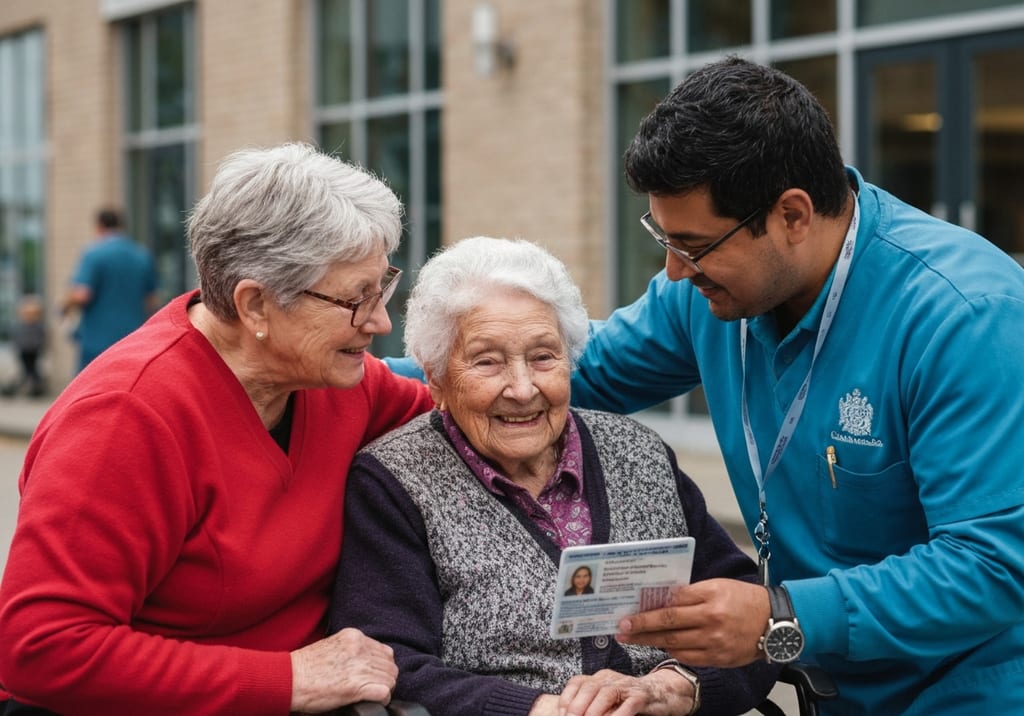
Home Childcare Providers and Canada's Caregiver Pilots
Applicants interested in Canada's caregiver programs often search for information on the Canada caregiver program 2026 or Canada caregiver program 2027, but these programs have undergone repeated changes in name and structure over the years. The current state of the caregiver pilot programs, including the Home Care Worker Pilot and other initiatives, can be complex to navigate.
introduction to canada's caregiver pilots
Canada's caregiver pilot programs provide a pathway to permanent residence for caregivers working in home childcare or home support roles. These programs have evolved, with new pilots and programs introduced to address the needs of caregivers and employers. For the most up-to-date information, the IRCC website is a reliable source, offering details on eligibility requirements, application processes, and intake status. I've found the IRCC website to be particularly helpful in understanding the nuances of the programs.
home childcare and home support work
Home childcare and home support work are distinct caregiving roles eligible for the caregiver pilot programs. Home childcare involves caring for children in a home setting, while home support work involves caring for individuals with disabilities, seniors, or others needing daily support. These roles differ from centre-based Early Childhood Education (ECE) roles, which require different qualifications and experience. For instance, centre-based ECE roles often require specialized training and certifications.
qualifying work experience, language, and education
To be eligible for the caregiver pilot programs, applicants must meet specific requirements. Generally, they need at least 2 years of work experience in a caregiving role, language proficiency in English or French, and a high school diploma or equivalent. The CLB / NCLC language test conversion tool can help determine language proficiency levels. It's worth noting that language proficiency can be a significant barrier for some applicants, and utilizing resources like the conversion tool can be incredibly helpful.
live-in vs live-out arrangements and employer requirements
Caregivers may work in live-in or live-out arrangements, depending on the employer's needs and the caregiver's preferences. Employers must demonstrate a genuine need for a caregiver and meet specific requirements, such as providing a suitable work environment and adhering to labor laws. Caregivers can explore work permit options and study permit opportunities to enhance their qualifications and experience. In my opinion, the flexibility of live-in and live-out arrangements can be a significant advantage for both caregivers and employers.
applying for the caregiver pilot programs
Applicants should visit the IRCC website to determine their eligibility and review the application process. They can also consult with a Regulated Canadian Immigration Consultant (RCIC) or a licensed Canadian lawyer for personalized advice. Additionally, applicants can explore Provincial Nominee Programs (PNP) and family sponsorship options. I believe it's essential for applicants to seek professional advice to ensure they're making the most informed decisions about their immigration options.
next steps
Canada's caregiver pilot programs offer a pathway to permanent residence for caregivers working in home childcare or home support roles. By understanding the current state of these programs, applicants can make informed decisions. For the latest information, visit the IRCC website or consult with a qualified immigration professional. As the immigration landscape continues to evolve, it's crucial for applicants to stay informed and adapt to changes in the programs.
Official current rules are at canada.ca/immigration; this guide is independent reference content.