
Little Canada in America: How Bill C-3 is restoring Canadian citizenship…
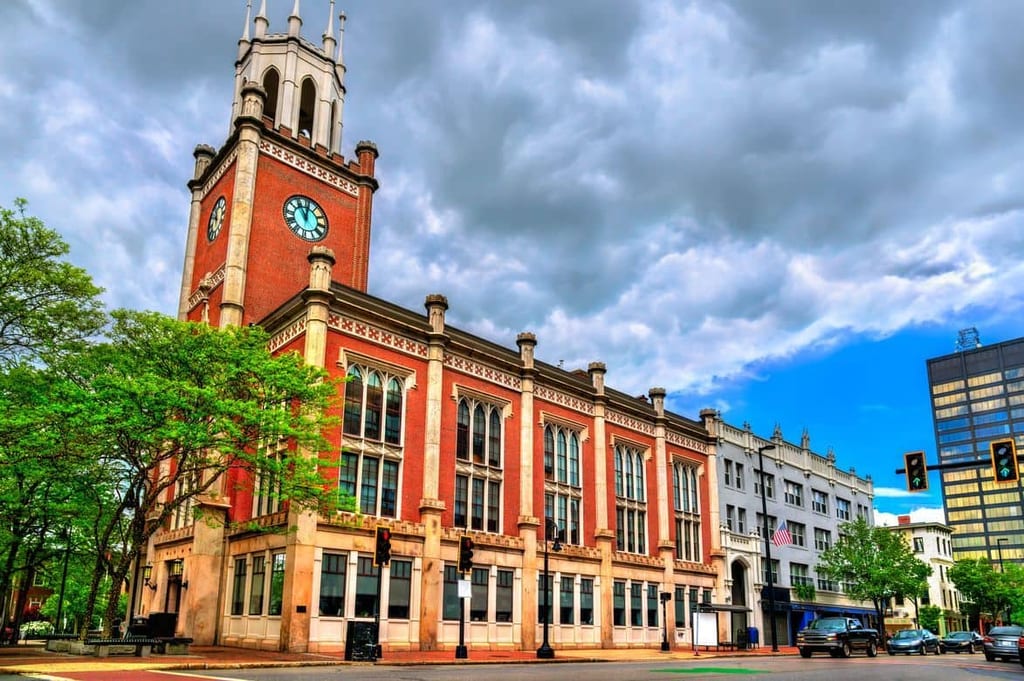
Canada's elimination of the first-generation citizenship limit has made hundreds of thousands of Americans with French-Canadian ancestry eligible for Canadian citizenship by descent, a change with particular resonance in New England states where descendants of Quebec's 19th-century emigration wave still live. Bill C-3, which took effect December 15, 2025, removed the 2009 restriction that had capped citizenship by descent at one generation born outside Canada. Anyone born before that date who can trace a continuous line to a Canadian ancestor now qualifies as a citizen, regardless of how many generations separate them from that ancestor.
The law reverses a policy that had excluded second-generation and later descendants born abroad. Under the 2009 rule, a child born in the United States to a Canadian parent was a citizen, but that child's own children born in the U.S. were not. Bill C-3 eliminates that cutoff entirely for those born before December 15, 2025, restoring citizenship to lineages that stretch back more than a century.
Between 1840 and 1930, approximately 900,000 residents of Quebec moved to the United States, a migration known as la grande saignée. Rural overpopulation and limited economic opportunity in Quebec coincided with industrialization in New England, where textile mills hired entire families. Railway construction linking Quebec to U.S. states made the journey faster and cheaper. Emigrants settled in mill towns across Massachusetts, New Hampshire, Vermont, and Maine, forming communities called les Petits Canada. Many returned to Quebec, but those who stayed built enclaves that persisted for generations.
"Anyone born before December 15, 2025, who can trace a continuous line of descent back to a Canadian ancestor is now recognized as a Canadian citizen," the release states.
New Hampshire has the highest proportion of residents reporting Canadian ancestry of any U.S. state, with approximately one in four now potentially eligible for Canadian citizenship. Vermont, Massachusetts, and Rhode Island follow closely. Cities including Lowell and Fall River in Massachusetts, Manchester and Nashua in New Hampshire, Burlington in Vermont, and Lewiston and Biddeford in Maine retain populations with strong French-Canadian roots. Festivals celebrating Quebec heritage continue in Leominster, Massachusetts, and Biddeford, Maine, and foods such as tourtière and poutine remain staples in the region.
Eligible descendants can apply directly to Immigration, Refugees and Citizenship Canada for proof of citizenship, which allows them to obtain a Canadian passport. No residency requirement, citizenship test, or oath ceremony applies. Common Quebec surnames including Tremblay, Gagnon, Côté, Bouchard, Lavoie, Bélanger, and Fortin indicate possible eligibility, though many French-Canadian names were anglicized to White, King, Wood, Rivers, or Carpenter. Applicants must document the continuous line of descent from a Canadian ancestor to qualify.
Via CIC News