
'Lost Canadians' eye a move to Vancouver Island under Bill C-3
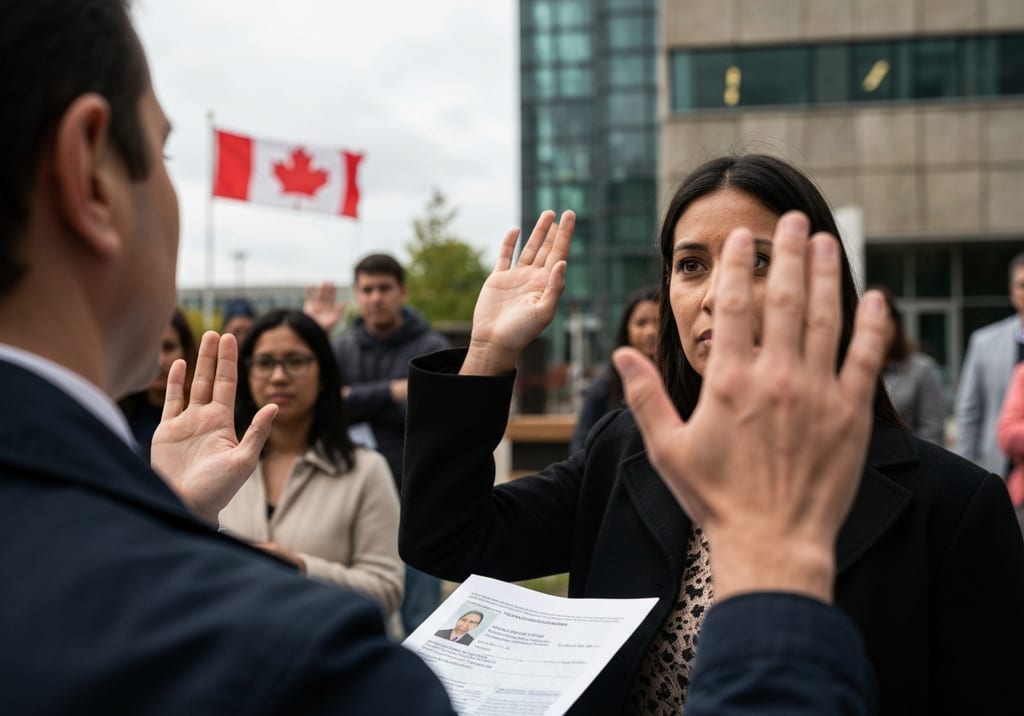
A Times Colonist feature describes people with distant Canadian roots who now hope to claim citizenship — and in some cases relocate to Vancouver Island — because of a real change to Canada's citizenship law.
That change is Bill C-3, which amended the Citizenship Act. According to the Government of Canada, the law came into force on December 15, 2025. It removes the "first-generation limit" on citizenship by descent, a rule in place since 2009 that had blocked citizenship from passing to children born abroad to a Canadian parent who was also born abroad. People affected by that rule became widely known as "Lost Canadians."
Under the new law, for births before December 15, 2025, there is no generational cutoff for citizenship by descent, so many descendants of Canadians who emigrated long ago may now have a claim. For a child born abroad on or after that date, a further condition applies: the Canadian parent must have been physically present in Canada for a cumulative total of at least 1,095 days (about three years) at some point before the child's birth. Anyone assessing their own eligibility should confirm the current rules and required documents directly with Immigration, Refugees and Citizenship Canada (IRCC) or an authorized representative, as individual circumstances vary.
Contrary to what an earlier version of this article stated, Canada has not left citizenship rules unchanged — Bill C-3 is a substantial, documented reform. The earlier claim that "the government has not announced any recent changes" and that an unspecified change "takes effect immediately" was inaccurate and has been removed.
The human side of the story involves families researching birth, marriage and naturalization records to build proof-of-citizenship applications, and community efforts to raise awareness of the new pathway. The specific details of any one applicant's case, including exact processing times and outcomes, are not independently confirmed here.
This is general information, not legal advice — for your situation, consult an authorized immigration representative.