
Shiloh Jolie is among the Americans who are now U.S.-Canadian dual…
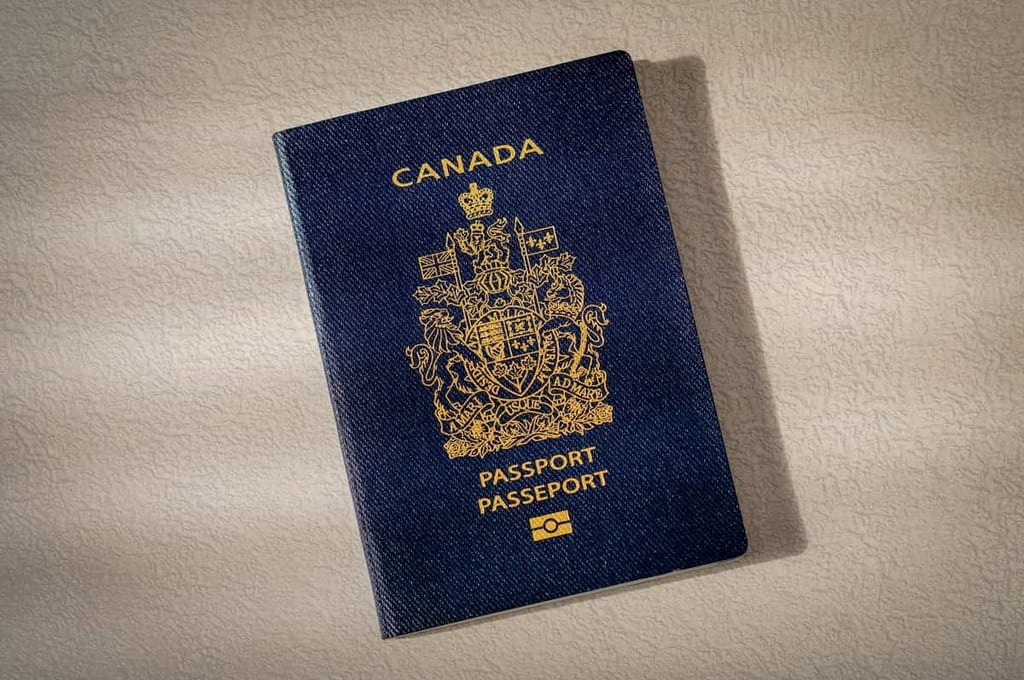
Canada's December 15, 2025 citizenship law change removed the first-generation limit on inheriting citizenship by descent for anyone born before that date, making actress Angelina Jolie and her daughter Shiloh Jolie among millions of Americans who automatically became dual citizens. The reform allows descendants of Canadian citizens to claim citizenship regardless of how many generations removed they are from their Canadian ancestor, reversing a restriction that had been in place since 2009.
Before the change, only the first generation born outside Canada to a Canadian parent could inherit citizenship. Now, Americans with even a single Canadian great-great-great-grandparent qualify for citizenship if they can trace a continuous line of descent, as reported by CIC News. The reform applies retroactively to everyone born before December 15, 2025, meaning eligible individuals became Canadian citizens the moment the law took effect.
Genealogical research by Perche-Quebec traces Jolie's lineage to Zacharie Cloutier, one of Quebec's earliest French settlers, through her grandmother, actress Marcheline Bertrand. Bertrand's father, Rolland Bertrand, had four Quebecois grandparents. Shiloh Jolie, born in Namibia in 2006, inherited Canadian citizenship through this maternal line. The connection illustrates how far back ancestral ties can reach under the new law — a single Canadian ancestor several generations removed now suffices.
The change particularly affects Americans with New England roots. Between 1840 and 1930, nearly one million French-Canadians left Quebec for New England during what historians call the Great Hemorrhage. Research by Patrick White estimates 25% of present-day New Englanders have at least one Canadian ancestor, making millions of Americans potentially eligible for dual citizenship.
Americans claiming citizenship under the new law must apply for proof of citizenship before obtaining a Canadian passport. The application requires compliant copies of official documents tracing lineage back to the Canadian ancestor, including birth certificates, marriage records, and death records. Immigration, Refugees and Citizenship Canada currently processes proof of citizenship applications in approximately one year. Once approved, applicants can obtain a Canadian passport in 10 to 20 business days.
Many eligible Americans are applying with no plans to relocate to Canada. They seek a Canadian passport as a contingency option during uncertain times, treating dual citizenship as a form of insurance. To begin the process, gather official documents establishing your direct line of descent from a Canadian ancestor. If you can demonstrate that continuous connection, you are already a Canadian citizen under the law — the proof of citizenship certificate simply formalizes your status and enables passport issuance.
Source: CIC News — published 2026-05-20.