
Thousands of American felons have right to enter Canada without…
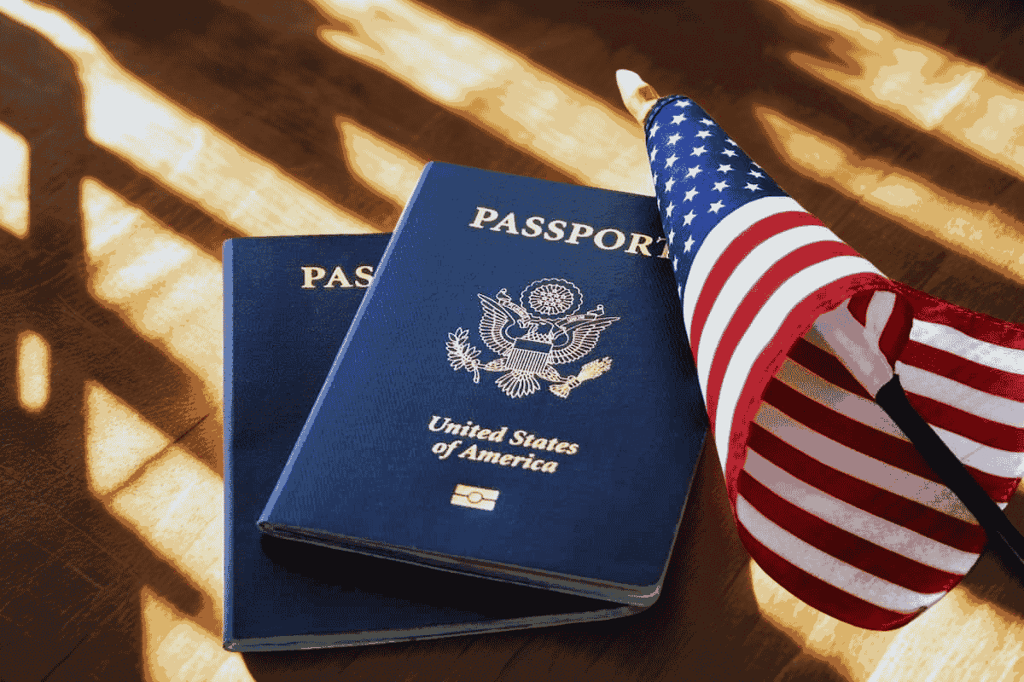
U.S. citizens with criminal records now face fewer barriers when seeking entry to Canada, following significant changes to Canada's Citizenship Act. Announced in December 2025, the Canadian government removed the generational limit for inheriting Canadian citizenship for individuals born before December 15, 2025, anywhere in the world. This policy shift has opened the door for millions of Americans, many of whom have Canadian ancestry, to claim citizenship by descent.
Historically, U.S. citizens with criminal records encountered a high threshold for entry into Canada, often facing denial even for minor offenses. Under the previous regulations, individuals without Canadian citizenship or permanent residency were treated as foreign nationals, making entry contingent on meeting stringent requirements, including a clean criminal record. The recent changes, however, allow those with even a single Canadian ancestor, such as a great-great-grandparent, to be recognized as Canadian citizens, thus bypassing the previous restrictions associated with criminal records.
The mechanics of this new policy are straightforward for eligible applicants. To obtain proof of Canadian citizenship, individuals must demonstrate their descent from a Canadian citizen by providing necessary documentation, such as birth certificates or family trees. There are no subjective assessments regarding criminal history for those claiming citizenship by descent. For U.S. citizens who do not qualify for citizenship through ancestry, the situation remains complex. They may still be denied entry for offenses like driving under the influence (DUI). For these individuals, options for entering Canada include applying for a temporary resident permit (TRP), qualifying for deemed rehabilitation, or seeking individual criminal rehabilitation, each of which involves stringent criteria and a lengthy process.
"The announcement notes that millions of Americans gained the right to Canadian citizenship," highlighting the significant impact of this policy change.
This development primarily affects U.S. citizens with Canadian ancestry, particularly those who may have previously been deterred from applying for citizenship due to their criminal records. It provides a pathway for individuals from various states, including those with ties to provinces like Ontario or British Columbia, to reconnect with their heritage without the fear of being barred due to past offenses.
For those interested in applying for proof of Canadian citizenship, the next step is clear. Applicants should gather the required documentation proving their Canadian ancestry and submit a complete application to Canada’s citizenship department. This process can be initiated by mailing the application package, which, if compliant, will lead to the issuance of a proof of citizenship certificate. Interested individuals should check their IRCC online account for updates on their application status and ensure they meet all documentation requirements to facilitate a smooth process.
Source: CIC News — published 2026-06-04.