
IRCC Asks Some Bill C-3 Citizens to Surrender Certificates for Review
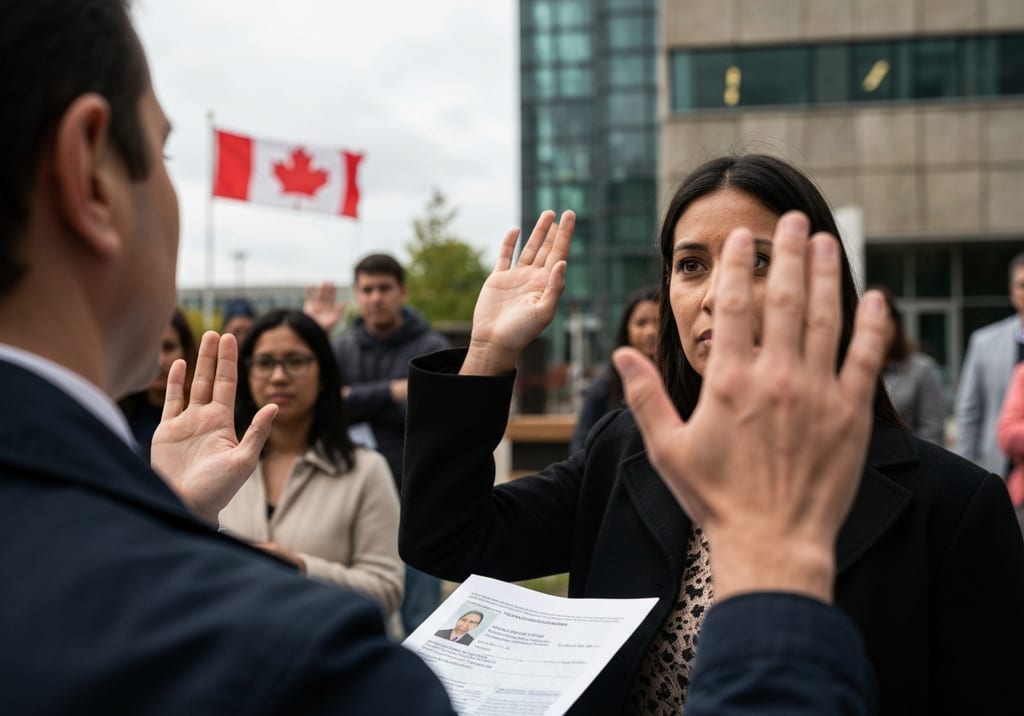
In mid-June 2026, Immigration, Refugees and Citizenship Canada (IRCC) contacted a limited group of people who had recently received a citizenship-by-descent certificate under Bill C-3 — the law that restored citizenship to "Lost Canadians" beyond the first generation born abroad. The Registrar of Canadian Citizenship asked these recipients to surrender their certificates while their files are re-examined.
This is not a nationwide "recall" of citizenship certificates, and there is no announced measure that "takes effect immediately." According to reporting, a routine review flagged roughly 100 certificates out of about 6,500 files for potentially insufficient supporting documentation. Of those, about 33 were reinstated, leaving roughly 67 cases — around one per cent of certificates issued under Bill C-3 — still under review, with affected people expected to be reinstated or contacted.
Importantly, IRCC has attributed the problem to its own "unclear" guidance on how to document citizenship by descent, not to fraud or "abuse of the system." The specific concern is documentary: proof of an unbroken lineage from a Canadian ancestor should come, where possible, from original source authorities that maintain historical records (such as provincial vital-statistics offices) rather than from compiled genealogy records. Updated guidance raises that documentary standard.
If you hold a Bill C-3 citizenship-by-descent certificate and receive a letter from IRCC, follow the instructions in that letter and keep copies of everything you submit. IRCC has said impacted individuals would be contacted directly; most flagged files were expected to be resolved by supplying stronger source documents rather than by revoking status. Details such as the exact number of letters sent, timelines, and outcomes for individual cases are still developing and are not fully confirmed, so treat any single figure with caution and rely on official IRCC correspondence for your own file.
This is general information, not legal advice — for your situation, consult an authorized immigration representative.