
Confirmation of Permanent Residence (COPR): What It Is and Your Next Steps
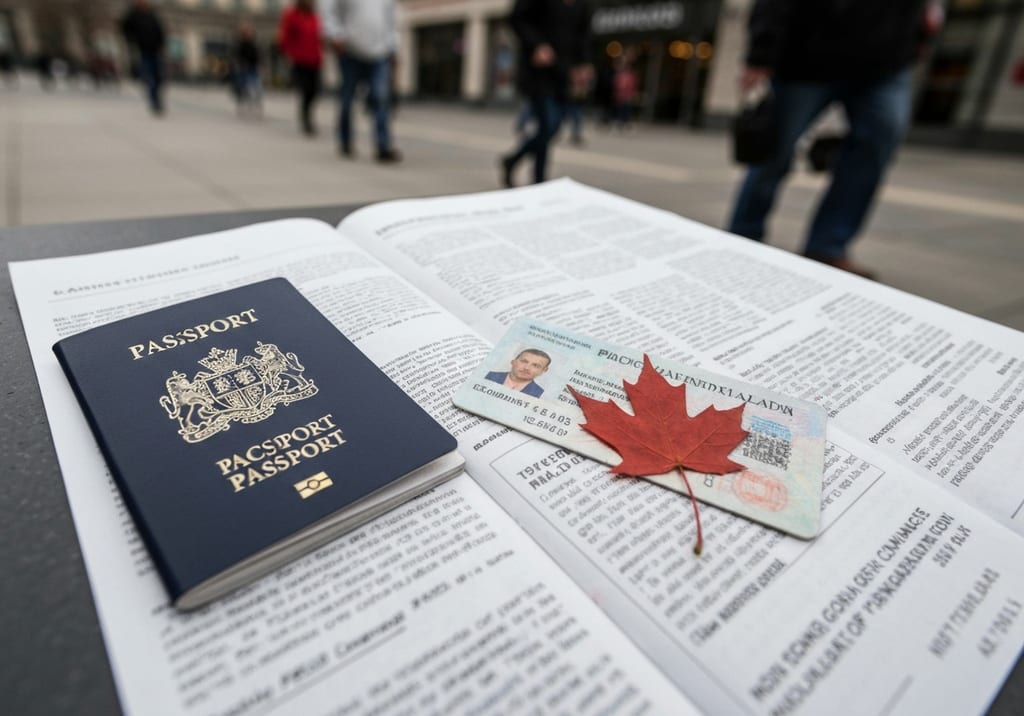
If you've just been approved for Canadian permanent residence, the Confirmation of Permanent Residence (COPR) is the document that turns that approval into reality. It's one of the last pieces of paper you'll deal with before you officially become a permanent resident, and getting it right matters. Here's what a COPR actually is, where it comes from, and what to do once it lands in your hands.
What a COPR Actually Is
The Confirmation of Permanent Residence is the official document issued by Immigration, Refugees and Citizenship Canada (IRCC) confirming that your application for permanent residence has been approved. Think of it as proof that you've cleared every requirement, your eligibility, your medical exam, your security and background checks, and that you're cleared to be "landed" as a permanent resident.
The COPR lists key details: your name, date of birth, the immigration category you were approved under, and an expiry date. That expiry date is important. It's usually tied to the validity of your medical exam or passport, and you must complete your landing before it passes. The COPR is not a visa on its own. If you're from a country whose nationals need a visa to enter Canada, you'll typically receive a permanent resident visa in your passport alongside the COPR. People from visa-exempt countries usually receive just the COPR.
In recent years IRCC has shifted much of this process online, so many applicants now receive an electronic COPR (eCOPR) through their online account rather than a physical paper copy. Both serve the same purpose.
How and When You Receive It
The COPR arrives near the very end of your application, after a final decision has been made in your favour. You don't apply for it separately; it's generated once your permanent residence application is approved.
How you get it depends on how you applied and where you are. Some applicants receive it by mail or pick it up at a visa office. Many now get an electronic version after IRCC asks them to confirm details such as their current address, passport information, and whether anything in their situation has changed. It's worth responding promptly and accurately to any such request, because errors on a COPR (a misspelled name, a wrong date of birth) are far easier to fix before landing than after. If you spot a mistake, contact IRCC right away rather than trying to "land" with an incorrect document.
Keep an eye on the expiry date from the moment you receive it. If you can't complete your landing before that date, you may need to provide updated documents, such as a new medical exam, so don't sit on it.
Becoming a Permanent Resident: The Landing Step
Receiving the COPR doesn't make you a permanent resident on its own. You become one through a step called "landing," when the document is validated by an officer.
There are two main paths. If you're applying from outside Canada, you typically land by travelling to a port of entry, an airport or land border, and presenting your COPR and passport (plus your PR visa, if you have one) to a border officer. The officer confirms your identity, checks that nothing has changed in your eligibility, and validates your status. If you're already inside Canada (common for those who applied through a category that allows it), landing may be completed virtually or at a scheduled appointment rather than by leaving and re-entering the country.
At landing you'll usually be asked to confirm your residential address in Canada. That's the address your PR card will be mailed to, so make sure it's somewhere you can reliably receive mail. Once the officer validates your COPR, you are officially a permanent resident of Canada.
After You Land: PR Card and Obligations
Once you've landed, hold onto your validated COPR. It's your proof of permanent resident status until your PR card arrives, and you may need it to apply for a Social Insurance Number, open certain accounts, or show status to an employer.
Your PR card is mailed to the Canadian address you gave at landing, typically within a few weeks to a few months. A PR card is generally valid for five years. You don't need the card to live or work in Canada, but you do need it to re-enter the country by commercial transport, so apply for a renewal in good time before it expires.
As a permanent resident, you also take on a residency obligation: in general you must be physically present in Canada for at least 730 days within every five-year period to keep your status. Time spent abroad accompanying a Canadian-citizen spouse, or working abroad for a Canadian employer, can sometimes count, but the rules are specific. If permanent residence is a step toward citizenship for you, note that citizenship requires meeting a physical-presence requirement (1,095 days within the relevant period) and other criteria.
Fees, processing times, and document requirements change, so always confirm the current details on the official IRCC website before you act. But the shape of the journey is steady: approval, COPR, landing, then your PR card and the rights and responsibilities that come with permanent residence.