
The PR Card Explained: Getting It, Renewing It, and Using It
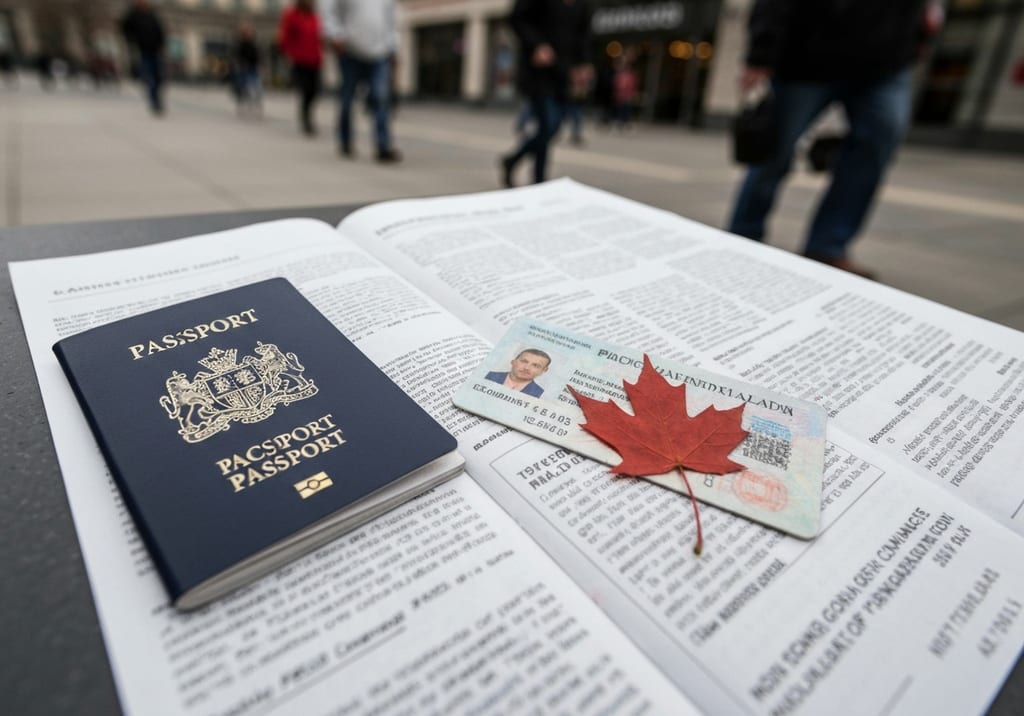
If you've just become a permanent resident of Canada, or you're about to, the PR card is the small piece of plastic that proves it. It's wallet-sized, but it does a lot of heavy lifting, and the rules around it trip up newcomers constantly. Here's how it actually works.
What a PR card is (and what it isn't)
A permanent resident card is the official document that shows you have permanent resident status in Canada. Think of it as proof of status, not a grant of status. Becoming a permanent resident is a separate event that already happened when your application was approved and you landed. The card just lets you demonstrate that status when you need to.
The most common reason you'll need it is travel. If you leave Canada and come back on a commercial carrier, like a plane, train, bus, or boat, the airline or operator checks for a valid PR card (or a related travel document) before letting you board. Without it, you can run into real problems getting home, even though your status itself doesn't disappear just because the card expired.
What the card is not: it's not a citizenship document, it's not a work or study permit, and it doesn't by itself tell anyone how long you've lived in Canada. It's also not something you have to carry day to day inside the country. You won't be asked for it to open a bank account or start a job in the way a permit holder might be. Most people only reach for it when crossing a border.
A PR card is generally valid for five years from the date it's issued, though in some cases a shorter validity period is given. The expiry date is printed right on the card, so check it well before you plan to travel.
Getting your first card
For most new permanent residents, the first card is largely automatic. When your PR application is finalized and you complete the landing process, you give the government a Canadian mailing address, and the card is produced and mailed to you. You don't file a separate application for that initial card in most situations. It usually arrives within a few weeks to a few months of landing, and you can track the status through your online account with the official IRCC website.
A couple of things to watch:
- Your address has to be current. The card is mailed, not handed over at the airport. If you move shortly after landing, update your address right away so it doesn't get sent to the wrong place.
- There's a window to provide that address. If you don't supply a Canadian mailing address within the required timeframe after landing, you may have to apply for the card yourself instead of receiving it automatically.
If you became a PR before cards existed, or you never received one, you can apply for your first card directly. A government processing fee applies to most card applications, so confirm the current amount on the official IRCC website before you pay.
Renewing or replacing it
A PR card does not renew itself. When it's getting close to expiry, you submit a renewal application, and it's smart to start a few months ahead of the printed expiry date rather than waiting until the last week. Processing times shift constantly, so check the current estimate on the official IRCC website and plan travel around it.
The same general process covers a card that's been lost, stolen, damaged, or has a change to your legal name or other details. You apply for a replacement, usually pay the processing fee, and provide updated photos and documents as instructed.
Here's the part that catches people: renewing your card is tied to meeting your residency obligation. To keep permanent resident status, you generally need to be physically present in Canada for at least 730 days within every rolling five-year period. Those 730 days don't have to be consecutive, and certain time spent abroad can count, for example accompanying a Canadian-citizen spouse or working abroad for a Canadian employer in defined circumstances. When you renew, you'll account for your days inside and outside Canada, so it helps to keep a simple travel log.
If your card has already expired, don't panic. An expired card doesn't strip you of your status. It mainly affects your ability to board a commercial carrier back into Canada. If you're outside the country with no valid card, you'd typically apply for a permanent resident travel document to make the trip home, rather than relying on the expired card.
Using it the right way
Day to day, the card mostly sits in a drawer. The moments that matter are these:
- Before international travel, confirm the card won't expire while you're away, and bring it with you. Coming back into Canada by commercial transport is where a valid card earns its keep.
- When proving status to certain services, such as some government programs, the card can serve as evidence that you're a permanent resident.
- As a step toward citizenship, holding PR status (which the card reflects) is part of the path. Citizenship has its own separate requirements, including physical presence of 1,095 days within the relevant period, and it's applied for on its own, not by upgrading your PR card.
A few habits keep things smooth: note your expiry date in your calendar, keep your mailing address current with the government, hold onto a record of your trips abroad, and start any renewal early. The card is simple once you understand its one core job, proving you're a permanent resident, and the rest is just timing. For current fees, processing times, photo specs, and forms, always confirm against the official IRCC website, since those details change.