
Maintaining PR Status: The Residency Obligation Explained
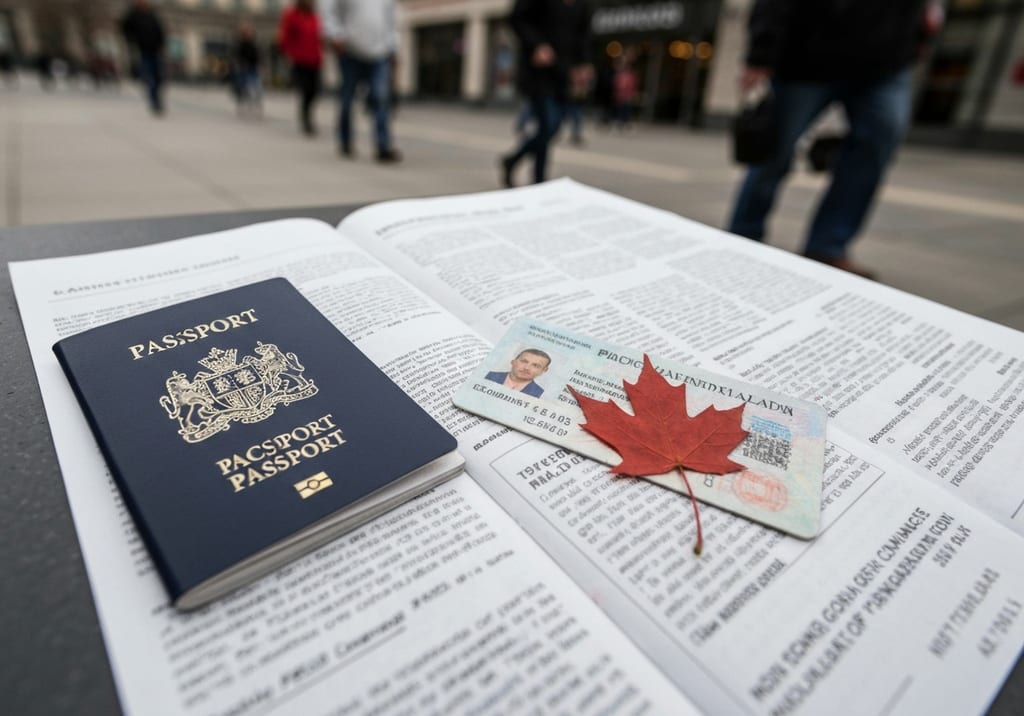
If you're a permanent resident of Canada, your status doesn't just take care of itself. To keep it, you have to actually spend time in the country. This is the residency obligation, and it's one of the most misunderstood parts of being a PR, partly because people confuse it with the expiry date on their PR card. Here's how it really works.
The 730-Day Rule
The core rule is simple to state: a permanent resident must be physically present in Canada for at least 730 days during every rolling five-year period. That's two years out of every five. The days don't need to be consecutive, and they don't need to line up with a calendar year. Immigration officers look back at the most recent five years (or, if you've been a PR for less than five years, at your full time as a PR) and count.
A few things that trip people up:
- The five-year window is a moving target. It's not fixed from your landing date. Every day, the officer can look back at the previous five years, so the count is always shifting.
- You don't have to be in Canada right now. If you've banked enough days, you can spend stretches abroad and still comply.
- The obligation continues for as long as you hold PR status. It doesn't go away after your first five years.
The safest way to think about it: as long as any five-year stretch you can be assessed against contains at least 730 days inside Canada, you're meeting the obligation.
What Counts Toward Your 730 Days
Time physically in Canada is the obvious one, and for most people it's the only category that matters. But there are several situations where time spent outside Canada still counts:
- Travelling with a Canadian-citizen spouse or common-law partner. Days you spend abroad accompanying your citizen partner count as if you were in Canada.
- A permanent resident accompanying a PR parent (if you're a child under a certain age) abroad can count in some cases.
- Working abroad for a Canadian business or the public service. If you're a full-time employee of a qualifying Canadian company or government and assigned to a position outside Canada, those days can count. The "Canadian business" definition is specific, so don't assume any employer with a Canadian connection qualifies.
- Accompanying a PR spouse or partner who is employed abroad under that same Canadian-business provision.
These exceptions are genuinely useful but also genuinely strict. If you plan to rely on one, keep thorough records (employment letters, marriage or common-law proof, travel history) because the burden is on you to demonstrate it.
The PR Card Is Not Your Status
This is the single biggest point of confusion, so it's worth being blunt: your PR card and your PR status are two different things.
A PR card is generally valid for five years and is simply a travel and identity document. It proves you're a PR when you board a flight or return to Canada. Your status as a permanent resident, on the other hand, never expires on its own and continues until you either become a citizen, formally renounce it, or have it taken away through an official process.
So an expired PR card does not mean you've lost your status. Plenty of people let their cards lapse while living in Canada and are completely fine. The flip side also matters: holding a valid card does not prove you've met the residency obligation. The obligation is assessed separately, usually when you apply to renew your card or when you re-enter Canada.
If you're outside Canada with an expired card, you generally can't use it to board a flight back. In that situation you'd typically apply for a permanent resident travel document (a PRTD) from outside the country, and the residency obligation gets reviewed as part of that.
When the Obligation Gets Checked and What Happens If You Fall Short
Your compliance usually comes up at predictable moments: renewing your PR card, applying for a PRTD abroad, or sometimes when re-entering Canada at the border. An officer counts your days and decides whether you've met the 730-day threshold.
If you're short, the outcome isn't automatic. An officer can consider humanitarian and compassionate (H&C) factors — things like the best interests of any children involved, the circumstances that kept you abroad, and your ties to Canada. A strong, well-documented explanation sometimes preserves status even when the raw day count falls short. But this is discretionary, not a guarantee, and you shouldn't plan your life around it.
If a negative decision is made, you generally have appeal rights, often to the Immigration Appeal Division, within strict deadlines. Acting quickly matters.
The practical takeaway: track your days. Keep a running tally of time inside and outside Canada, save your travel records, and don't cut it close if you can avoid it. Border-crossing and travel history data is more detailed than many people assume.
A Few Practical Habits
- Count conservatively. If a day is ambiguous, assume it doesn't count in your favour.
- Renew your PR card well before it expires, especially if you travel often.
- If you expect a long period abroad, check whether any "counting" exception applies before you go, not after.
- When your situation is complicated (long absences, a borderline count, or H&C factors), talk to an authorized immigration representative.
Rules and the finer details around exceptions and documents can change, so confirm anything specific — current fees, forms, and processing times — directly on the official IRCC website before you act.