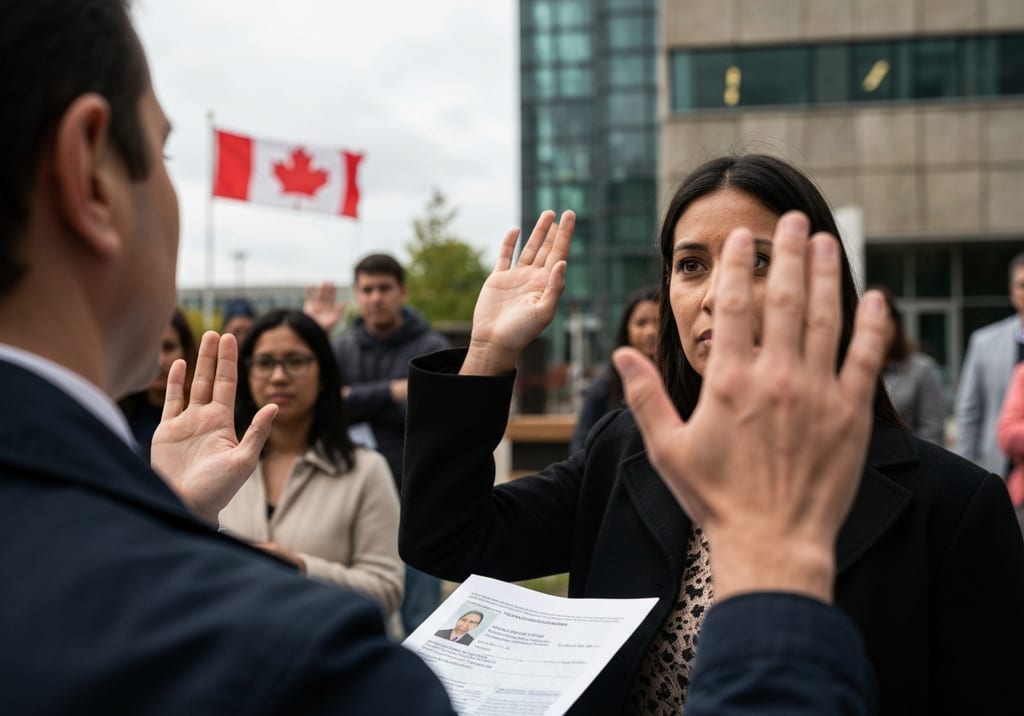
Ottawa directs some with ‘Lost Canadian’ citizenship to surrender…
Ottawa has announced that individuals with ‘Lost Canadian’ citizenship must surrender their citizenship documents. This directive takes effect immediately, impacting those who have previously held Canadian citizenship but lost it due to various circumstances, such as renunciation or failure to meet residency requirements.
This policy shift is significant as it marks a more stringent approach to managing citizenship status among those who may have lost their Canadian citizenship. Historically, individuals who lost their citizenship had the option to apply for reinstatement or retain their documents without immediate repercussions. The new directive reflects a growing emphasis on maintaining accurate citizenship records and ensuring compliance with Canadian citizenship laws.
Under the new rules, individuals classified as having ‘Lost Canadian’ citizenship are required to return their citizenship certificates and any related documents to the government. This applies to those who have not been reinstated through the formal process and includes individuals who may have been unaware of their loss of citizenship status. The government has not specified a deadline for the surrender of documents, but it is expected that compliance will be monitored closely.
“The release states that this measure is part of ongoing efforts to maintain the integrity of Canadian citizenship.” This statement underscores the government's commitment to ensuring that citizenship is accurately represented and that individuals who do not meet the criteria for citizenship are not holding onto documents that no longer apply to them.
This change primarily affects individuals who lost their citizenship status due to reasons such as voluntary renunciation or failure to meet residency obligations. Countries particularly impacted may include those with large expatriate communities, such as the United States, the United Kingdom, and Australia, where many Canadians reside and may inadvertently lose their citizenship status.
For those affected, the immediate next step is to review their citizenship status and determine if they fall under the ‘Lost Canadian’ category. Individuals should check their IRCC online accounts for any notifications regarding their citizenship status and prepare to return any relevant documents as required. It is advisable to act promptly to avoid potential complications with citizenship verification in the future.
🔴 Developing story — update (June 16, 2026)
Ottawa has announced that individuals who obtained Canadian citizenship by descent may be required to surrender their citizenship certificates. This directive takes effect immediately and targets those who may not meet the eligibility criteria for citizenship under existing laws.
This change is significant as it marks a shift in how Canada manages citizenship claims, particularly for those born outside the country to Canadian parents. Previously, citizenship by descent was relatively straightforward, allowing individuals to claim citizenship if they had a Canadian parent, regardless of where they were born. This policy change reflects a tightening of the rules surrounding citizenship eligibility, which has evolved over the years to address concerns about the integrity of Canadian citizenship.
Under the new directive, individuals who have received citizenship by descent must now verify their eligibility against specific criteria set by the government. This includes providing documentation that proves their parent’s citizenship status at the time of their birth. Those who fail to meet these criteria may be required to return their citizenship certificates, which could affect their legal status in Canada. The announcement notes, "individuals must ensure they meet the eligibility requirements to retain their citizenship."
This directive primarily affects individuals born outside Canada to Canadian parents, particularly those who may have assumed their citizenship was secure without fully understanding the legal requirements. Countries such as the United States, the United Kingdom, and various nations in Europe may see an impact as many Canadians living abroad have children who could fall under this category.
For those affected, it is crucial to take immediate action. Individuals should review their citizenship documentation and confirm their eligibility under the new guidelines. They may need to gather necessary documents, such as birth certificates and proof of their parent’s citizenship, to ensure compliance. Checking their IRCC online account for any updates or required actions will also be essential in navigating this new directive.
The announcement reflects ongoing efforts by the Canadian government to ensure that citizenship is granted in accordance with established laws and to prevent potential misuse of citizenship by descent provisions.
🔴 Developing story — update (June 16, 2026)
The Canadian government has announced that certain individuals with citizenship by descent must surrender their citizenship certificates. This directive was issued on June 15, 2026, by the Department of Citizenship and Immigration Canada.
This change is significant as it impacts individuals who obtained Canadian citizenship through their parents or grandparents but may not meet the current legal criteria. Previously, citizenship by descent was relatively straightforward, allowing many individuals born outside Canada to claim citizenship based solely on their parentage. However, this new directive reflects a tightening of regulations surrounding citizenship eligibility, which has evolved over the years to address concerns about the integrity of Canadian citizenship.
Under the new rules, individuals who received their citizenship certificates but do not meet the updated criteria must return these documents to the government. The specific eligibility criteria for retaining citizenship include proving a genuine connection to Canada, such as residency or other ties. Those affected will receive notifications detailing the reasons for the surrender request and the process for compliance.
"The announcement notes that this measure is necessary to ensure the integrity of Canadian citizenship," the release states.
This change primarily affects individuals who were born outside Canada to Canadian parents or grandparents and who may not have established a significant connection to the country. Countries that may see a higher number of affected individuals include the United States, the United Kingdom, and various nations in Europe and Asia where Canadian expatriates reside.
For those impacted by this directive, the next step is to closely monitor communications from the Department of Citizenship and Immigration Canada. Individuals should check their IRCC online accounts for any updates regarding their citizenship status and ensure they understand the requirements for surrendering their citizenship certificates. Compliance with this directive will be crucial to avoid potential legal complications regarding their citizenship status.
The Winnipeg Sun reported on this development, highlighting the implications for those who may be caught off guard by the new requirements.
🔴 Developing story — update (June 16, 2026)
Ottawa has announced that certain individuals with citizenship by descent must surrender their citizenship certificates. This directive was issued on June 15, 2026, and affects a specific group of Canadian citizens.
This change is significant as it alters the status of individuals who have obtained citizenship through descent, a process that has historically allowed individuals born outside Canada to claim citizenship if they have a Canadian parent. Previously, those with citizenship by descent were generally able to retain their citizenship without additional requirements. This new directive raises questions about the implications for those who may have relied on this status for residency or travel.
The announcement specifies that individuals who fall under this directive will need to provide documentation to confirm their citizenship status. While the exact eligibility criteria have not been detailed, it is clear that this measure targets a subset of citizenship by descent cases, potentially including those who may have dual citizenship or have not maintained a connection to Canada. The release states, "This measure is necessary to ensure compliance with Canadian citizenship laws."
This directive primarily impacts individuals who have acquired Canadian citizenship through a parent but may not have established a permanent residence in Canada. Countries affected may include those with significant Canadian expatriate populations, such as the United States, the United Kingdom, and Australia, where many Canadians have settled and raised families.
For those impacted by this change, it is crucial to take immediate action. Affected individuals should check their IRCC online account for any notifications regarding their citizenship status and prepare to submit the required documentation as soon as possible. It is advisable to stay informed about any further updates from the government regarding this directive to ensure compliance and maintain citizenship status.
CityNews Toronto
🔴 Developing story — update (June 16, 2026)
Ottawa has announced that individuals who acquired Canadian citizenship by descent may be required to surrender their citizenship certificates. This directive takes effect immediately and is part of a broader effort to ensure compliance with Canadian citizenship laws.
This policy shift is significant as it addresses concerns about the legitimacy of citizenship claims made by individuals who may not meet the necessary criteria. Previously, those who obtained citizenship through descent were generally not required to provide extensive documentation to prove their eligibility. This change reflects a tightening of regulations that have evolved over the years, particularly as Canada seeks to manage its immigration and citizenship processes more effectively.
Under the new directive, individuals who obtained citizenship by descent must now demonstrate that they have a genuine connection to Canada. This may involve providing additional documentation to verify their Canadian lineage and residency. The specific requirements have not been detailed in the announcement, but applicants can expect to face more scrutiny than before. The government has indicated that this move is aimed at preventing misuse of citizenship rights and ensuring that those who hold Canadian citizenship have a legitimate claim.
"The announcement notes" that this measure is part of ongoing efforts to maintain the integrity of Canadian citizenship.
This change primarily affects individuals who have acquired citizenship through a parent or grandparent but may not have lived in Canada themselves. Countries most impacted include the United Kingdom, India, and other nations with significant Canadian diaspora populations. Those who may have previously assumed their citizenship status was secure could now find themselves needing to reassess their documentation and eligibility.
For those affected, the immediate next step is to review their citizenship documentation and prepare to submit any required paperwork to demonstrate their eligibility. Individuals should check their IRCC online account for updates and specific instructions regarding the surrender of citizenship certificates and any documentation that may be required.