
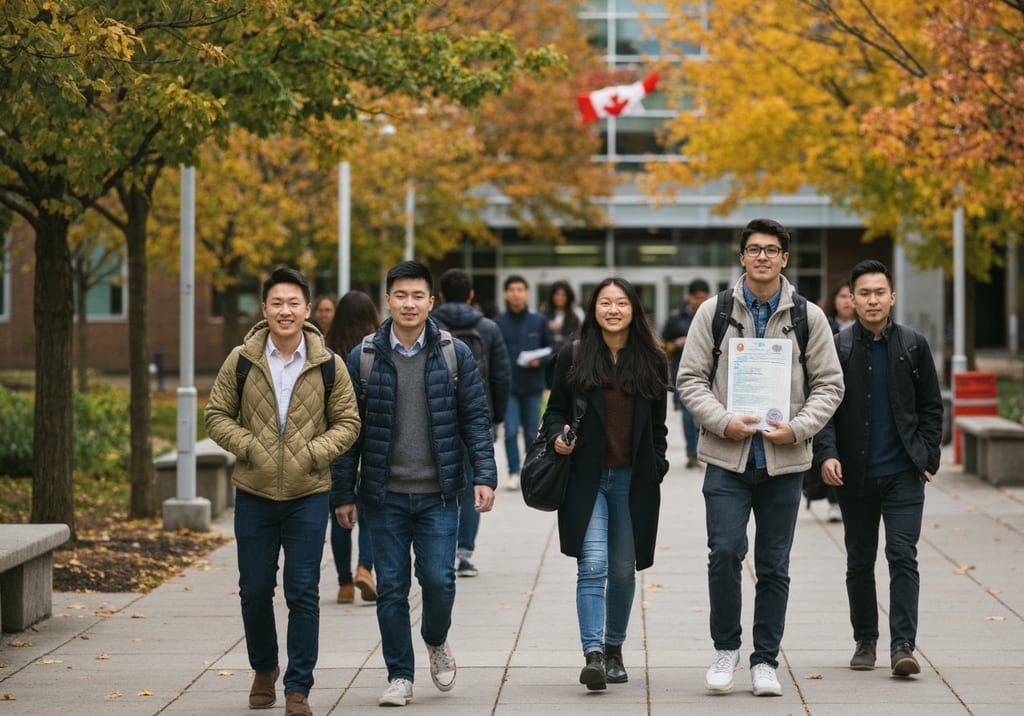
Transferring from College to University on a Study Permit
Transferring from a college to a university in Canada can be complex for international students, particularly when navigating study permit requirements. This process involves changing the Designated Learning Institution (DLI) and potentially transferring credits, which affects work authorization and eligibility for a Post-Graduation Work Permit (PGWP).
understanding the transfer process
Students who have completed a college diploma and want to pursue a university degree often transfer to a new institution. To ensure their study permit remains valid, careful planning is necessary. The steps involved in changing the DLI and how this change affects the study permit must be understood.
changing your dli
To transfer from a college to a university, students must apply for a new study permit or update their current one to reflect the DLI change. This involves submitting an application to Immigration, Refugees and Citizenship Canada (IRCC) with required documents, including a new letter of acceptance from the university and proof of payment for the first year of tuition. The study permit application process is available on the official government website, and following the instructions carefully is crucial to avoid delays or refusals. For instance, a student I know had their application delayed because they forgot to include a crucial document, highlighting the importance of attention to detail in this process.
transferring credits and implications
When transferring from a college to a university, students may be eligible to transfer some credits. This can impact the study program's length and, consequently, the study permit. Obtaining a credit transfer letter from the university confirms which credits are transferable and how they affect the study program. Considering the implications of credit transfer on the study permit and potential work authorization is essential to ensure the student remains eligible to work part-time or full-time during or after their studies. In my experience, students who plan carefully and understand these implications have a smoother transition.
work authorization and pgwp implications
Changing the DLI and transferring credits can impact a student's eligibility for a Post-Graduation Work Permit (PGWP). The PGWP allows international graduates to work in Canada for up to three years after completing their studies. To be eligible for a PGWP, students must have completed a study program of at least eight months and have a valid study permit at the time of application. The PGWP eligibility criteria are specific, and students should ensure their transfer does not affect their eligibility. It's worth noting that understanding these criteria can make a significant difference in a student's ability to secure a PGWP.
maintaining your study permit status
To maintain their study permit status, students must comply with all permit conditions, including studying full-time at the new DLI and making progress towards completing their study program. Failure to comply can result in the permit being revoked or not renewed. Study permit extensions may be necessary if the student's program is longer than expected or if they need more time to complete their studies. I've seen cases where students have had to extend their permits due to unforeseen circumstances, so it's crucial to be prepared for such situations.
final considerations
Transferring from a college to a university on a study permit requires careful planning and attention to detail. Students must follow the correct procedures for changing their DLI, transferring credits, and maintaining their study permit status. By understanding the implications of these changes on work authorization and PGWP eligibility, students can make informed decisions about their academic and professional paths in Canada. For more information, visit the official IRCC website or consult with a Regulated Canadian Immigration Consultant (RCIC). Official current rules are at canada.ca/immigration; this guide is independent reference content.